Confined Space Safety Induction, Entry Training and Record Management
Confined spaces can be extremely dangerous. They are not normal work areas and they can expose workers to low oxygen, toxic gases, flammable vapours, engulfment, restricted access and difficult rescue conditions.
Because of this, confined space entry is not something a worker should attempt after a simple workplace briefing.
Workers who enter confined spaces usually need specific confined space entry training from an appropriate training provider. In Australia, one common nationally recognised unit is RIIWHS202E Enter and work in confined spaces, which describes the skills and knowledge required to enter and work in confined spaces in the resources and infrastructure industries.
INDUCT FOR WORK does not provide confined space entry tickets, qualifications or the formal competency training required to enter confined spaces.
Instead, INDUCT FOR WORK helps businesses manage the supporting parts of the process. This may include confined space awareness induction, site procedures, permit-related forms, contractor document collection, acknowledgements, refresher reminders, incident reporting and records.
In other words, your workers may still need to complete formal confined space entry training through a suitable registered or qualified training provider. After that, INDUCT FOR WORK can help you record that training, explain your site-specific rules and manage the documents that support safer confined space work.
A strong confined space process also supports a better safety culture because workers and contractors understand that entry must never be treated casually. In addition, rapid induction setup can help businesses turn existing confined space procedures, permits and safety information into online awareness content sooner.
What is a confined space?
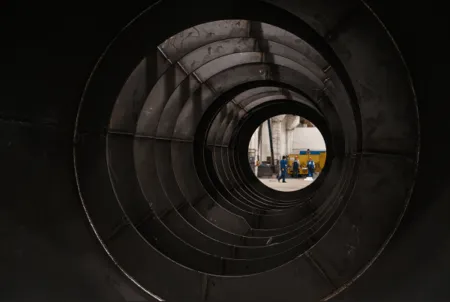
A confined space is generally an enclosed or partially enclosed area that is not designed for people to occupy and may create serious health and safety risks.
Common examples include:
- tanks
- silos
- vats
- pipes
- ducts
- flues
- sewers
- pits
- wells
- vessels
- containers
- manure pits
- silage pits
- some trenches or enclosed work areas depending on the conditions
Safe Work Australia describes confined spaces as enclosed or partially enclosed spaces not intended to be occupied by a person and likely to involve health and safety risks from lack of oxygen, airborne contaminants or engulfment.
However, not every small or enclosed area automatically becomes a confined space. The risk depends on the design, purpose, atmosphere, access, contents and work being performed.
Therefore, businesses should identify confined spaces before work starts and make sure workers understand which areas require formal controls.
Why confined spaces are dangerous
Confined spaces are dangerous because serious hazards may be hidden.
A space may look harmless from the outside. However, the atmosphere inside may contain too little oxygen, toxic gas or flammable vapours. Material inside the space may also collapse, shift or engulf a worker.
Confined space risks may include:
- oxygen deficiency
- toxic gases
- flammable vapours
- airborne dust
- engulfment by grain, sand, sludge or other material
- drowning
- heat stress
- poor lighting
- restricted entry and exit
- moving plant or equipment
- stored energy
- biological hazards
- poor communication
- difficult rescue conditions
Because of this, confined space entry should never depend on experience alone.
Even experienced workers need the right competency training, a suitable risk assessment, an entry permit where required, proper controls and a clear rescue plan.
Formal confined space entry training is required
This is the most important point for employers, contractors and workers to understand.
A general workplace induction is not the same as confined space entry training.
A worker who needs to enter and work in a confined space should complete appropriate confined space entry training through a suitable training provider. Depending on the industry and role, this may include nationally recognised training such as RIIWHS202E Enter and work in confined spaces or other relevant competency units.
Training providers commonly describe this training as covering practical skills such as identifying confined space hazards, following permit and safety procedures, using confined space equipment and entering, working in and exiting confined spaces safely under appropriate supervision.
INDUCT FOR WORK does not replace this training.
INDUCT FOR WORK can help you:
- record that the worker completed confined space entry training
- collect certificates or statements of attainment
- assign site-specific confined space awareness content
- explain your company procedures
- collect acknowledgements
- manage contractor documents
- support permit-related forms
- keep training records online
- track refresher or expiry dates where applicable
However, a worker should not treat an INDUCT FOR WORK induction as their confined space entry ticket.
What INDUCT FOR WORK can and cannot do
| Requirement | INDUCT FOR WORK Role |
|---|---|
| Formal confined space entry qualification or ticket | Not provided by INDUCT FOR WORK |
| Nationally recognised confined space entry competency | Not provided by INDUCT FOR WORK |
| Practical hands-on entry assessment | Not provided by INDUCT FOR WORK |
| Site-specific confined space awareness induction | Can be delivered through INDUCT FOR WORK |
| Company confined space procedure acknowledgement | Can be collected through INDUCT FOR WORK |
| Uploading entry training certificates | Can be managed through INDUCT FOR WORK |
| Contractor document collection | Can be managed through INDUCT FOR WORK |
| Permit-related checklists and forms | Can be supported through INDUCT FOR WORK |
| Incident and hazard reporting | Can be supported through INDUCT FOR WORK |
| Training records and reporting | Can be managed through INDUCT FOR WORK |
This makes INDUCT FOR WORK a record management, induction and communication platform.
Where confined space induction still matters
Even when workers already hold the right confined space entry training, they still need site-specific information.
A formal course may teach general confined space principles. However, each workplace may have different spaces, controls, permits, rescue arrangements, communication methods and approval processes.
A confined space induction may explain:
- which areas on site are confined spaces
- who can authorise entry
- how permits are managed
- who can conduct atmospheric testing
- what rescue arrangements apply
- what signage means
- which contractors need approval
- where records are stored
- how hazards and near misses are reported
- what site-specific controls apply
- when work must stop
- who to contact before entry work begins
This is where INDUCT FOR WORK can help.
It allows businesses to deliver site-specific confined space awareness content and keep evidence that workers and contractors received that information.
Why confined space processes often fall through the cracks
Confined space work may happen only occasionally. As a result, procedures can become outdated, records can become hard to find and workers may forget critical steps.
A contractor may arrive for maintenance. A tank may need cleaning. A pit may need inspection. A supervisor may assume the contractor has handled the paperwork while the contractor assumes the site has already checked the space.
INDUCT FOR WORK helps businesses create a more reliable process before confined space work begins.
It can help when:
- workers are unsure whether an area is a confined space
- contractors arrive before completing site induction
- formal entry training certificates are not collected
- entry permit requirements are not clearly explained
- atmospheric testing rules are missed
- rescue plans are not refreshed
- isolation procedures are explained verbally but not recorded
- workers do not know when entry must stop
- emergency roles are unclear
- records are spread across emails and folders
- refresher reminders are forgotten
- supervisors cannot confirm who received site-specific information
With online induction and records, businesses can make confined space expectations clearer and easier to check.
Confined space entry starts with risk assessment
A confined space entry should begin with a proper risk assessment.
Safe Work Australia’s model code states that a confined space entry permit may be required even when a person enters a confined space to conduct the initial hazard identification or risk assessment. The permit must also include required information such as the confined space, the permitted workers and the period of work.
A confined space risk assessment should consider:
- the nature of the space
- whether entry can be avoided
- atmospheric hazards
- engulfment risks
- contaminants
- flammable materials
- isolation requirements
- access and exit
- communication
- emergency rescue
- worker competency
- equipment needed
- work being performed inside the space
- how conditions may change during the task
For broader risk-rating methods, see our qualitative risk analysis article.
That supporting article explains how likelihood, consequence and priority can help workplaces make clearer risk decisions.
Entry permits and authorisation
Confined space entry should follow a formal authorisation process.
An entry permit may include:
- the confined space being entered
- the people authorised to enter
- the entry supervisor or permit issuer
- the work being performed
- start and finish times
- atmospheric testing results
- isolation controls
- ventilation controls
- communication method
- PPE requirements
- rescue arrangements
- emergency contacts
- sign-in and sign-out records
- cancellation or close-out details
Safe Work Australia guidance also notes that signs for confined spaces must identify the space, tell workers not to enter unless they have an entry permit and be clearly located next to each entry.
With custom forms, businesses can support permit-related information, checklists and declarations online.
However, online forms should support the approved confined space procedure. They should not replace competent supervision, formal permits or site controls.
Signage and restricted entry
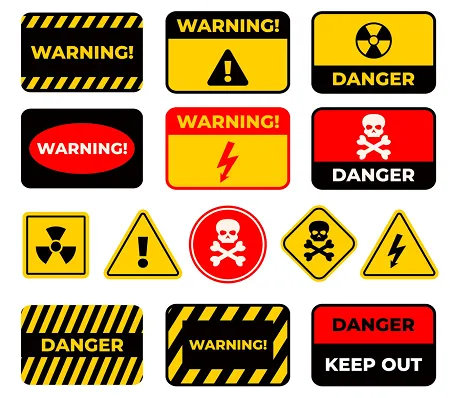
Confined spaces need clear signage so people do not enter by mistake.
Signage should make the entry rule clear.
For example:
- Confined space
- Entry by permit only
- Authorised workers only
- Do not enter unless approved
- Follow site confined space procedure
In addition, induction training should explain what the signs mean and what workers must do if they find an unmarked or unclear area.
This is especially important for contractors, cleaners, maintenance workers and visitors who may not know the site well.
Atmospheric testing and monitoring
Atmospheric testing is one of the most important parts of confined space safety.
A confined space may contain:
- low oxygen
- high oxygen
- toxic gases
- flammable gases
- vapours
- dusts
- fumes
Testing may be needed before entry and during work if conditions can change.
Training should explain:
- who can conduct atmospheric testing
- when testing must occur
- what gases or contaminants may be present
- where testing should occur
- how results are recorded
- when entry is not allowed
- when workers must leave the space
- what to do if alarms activate
Workers should never assume a space is safe because it was safe last time.
Ventilation, purging and isolation
Controls should be chosen based on the risk assessment.
In many confined space tasks, this may include ventilation, purging, cleaning or isolation before entry.
Isolation may involve controlling:
- electrical energy
- mechanical energy
- hydraulic pressure
- pneumatic pressure
- steam
- gases
- liquids
- moving parts
- conveyors
- pumps
- valves
- pipes
- stored materials
- chemical sources
Ventilation may help remove contaminants or improve air quality. However, ventilation must suit the hazards present and should not create new risks.
Workers should understand that simply opening a hatch or door may not make the space safe.
Therefore, training must explain which controls are required, who checks them and who can approve entry.
Communication during confined space work
Communication is critical during confined space work.
Workers inside the space may not be able to call for help easily. Noise, distance, PPE, respiratory protection or the shape of the space may make communication harder.
A confined space procedure should explain:
- how workers inside and outside the space will communicate
- who monitors the entry
- how often communication checks occur
- what signals are used
- what happens if communication fails
- who can stop the work
- who contacts emergency support
- how workers sign in and out
Communication should be tested before entry.
If communication cannot be maintained, the work should stop until a safe method is in place.
Rescue planning before entry
Confined space rescue must be planned before entry.
A rescue plan should not rely on someone improvising after a worker collapses or becomes trapped.
A practical rescue plan may include:
- rescue roles
- standby person duties
- communication method
- retrieval equipment
- breathing apparatus where required
- first aid arrangements
- emergency contacts
- access and exit method
- rescue drills
- how emergency services will reach the location
- how the space will be isolated during rescue
- what rescuers must not do
A common danger is unplanned rescue. Workers may instinctively enter to help someone and become overcome themselves.
Because of this, training should make one rule very clear: do not enter a confined space for rescue unless authorised, trained and equipped under the rescue plan.
Training workers for confined space safety
Workers need the right training for their role.
There are two different training needs here.
1. Formal confined space entry training
This is required for workers who enter and work in confined spaces. It should be completed through an appropriate training provider and may include nationally recognised competency training such as RIIWHS202E or other relevant units.
INDUCT FOR WORK does not provide this formal entry training.
2. Site-specific awareness and procedure training
This is where INDUCT FOR WORK can help.
With online training, businesses can deliver site-specific confined space awareness content before workers or contractors arrive.
This may include:
- what confined spaces exist on site
- company entry rules
- permit process overview
- signage rules
- reporting steps
- emergency expectations
- document upload requirements
- acknowledgement of procedures
- refresher information
This supports awareness, communication and record keeping. However, it does not replace the formal competency required for confined space entry.
Training contractors for confined space work
Contractors often perform confined space work because they may handle maintenance, cleaning, repair, inspection or specialist technical tasks.
A contractor induction can help explain site-specific confined space rules before work begins.
Contractor pre-entry checks may include:
- proof of formal confined space entry training
- site access rules
- confined space register information
- permit process
- risk assessment requirements
- SWMS requirements
- isolation requirements
- atmospheric testing rules
- rescue arrangements
- emergency contacts
- document upload requirements
- reporting steps
- close-out process
Contractors may bring their own expertise, but they still need to understand your site’s confined spaces and rules.
As a result, contractor induction should not rely only on a quick conversation at reception or the front gate.
Documents, forms and acknowledgements
Confined space work usually requires documents and records.
These may include:
- formal confined space training certificates
- risk assessments
- entry permits
- SWMS documents
- atmospheric testing records
- isolation checklists
- rescue plans
- training acknowledgements
- worker competency records
- contractor declarations
- PPE checks
- sign-in and sign-out records
- incident reports
- close-out records
With digital signatures, businesses can collect acknowledgements online and store them with the worker or contractor record.
In addition, custom forms can help collect supporting information, declarations and checklist responses.
This makes records easier to find when a manager, safety officer or auditor needs them.
Reporting confined space hazards and near misses
Confined space hazards should be reported early.
Workers should report:
- missing signs
- unclear permit requirements
- expired confined space entry training
- missing training certificates
- failed gas testing
- damaged monitoring equipment
- blocked access
- poor ventilation
- missing rescue equipment
- communication problems
- unplanned entry
- failed isolation
- unexpected odours
- alarms
- worker symptoms
- changed conditions
- near misses
INDUCT FOR WORK supports incident reporting so businesses can capture hazards, incidents and near misses online.
This helps managers identify problems before they lead to serious harm.
For example, a near miss involving poor communication should trigger a review of the procedure, training and equipment before the next entry.
Record keeping for confined space safety
Confined space records matter because entry work carries serious risk.
Managers may need to confirm:
- who completed formal confined space entry training
- whether the worker uploaded proof of training
- who completed site-specific induction
- which workers were authorised to enter
- which contractors completed site requirements
- whether an entry permit was issued
- whether a risk assessment was completed
- which atmospheric test results were recorded
- whether rescue arrangements were confirmed
- whether a hazard or near miss was reported
- which acknowledgements were signed
- whether refresher training is due
INDUCT FOR WORK helps improve record keeping by keeping training records, forms, certificates and acknowledgements online.
In addition, reporting helps managers see completion status and follow up where needed.
Good records do not make entry safe by themselves. However, they support planning, review and accountability.
Confined spaces in farming and agriculture
Confined spaces are common in farming and agriculture.
They may include silos, grain bins, manure pits, tanks, vats, wells, confined animal waste areas and some storage areas.
The risks may include engulfment, toxic gases, low oxygen, poor access, biological hazards and difficult rescue.
For broader farm induction planning, see our farm induction guide.
That article is a useful supporting resource because it covers farm-specific induction topics such as property orientation, machinery, chemicals, working alone, emergency procedures and seasonal worker preparation.
When confined spaces exist on a farm, they should be clearly identified and included in the induction process.
Why use INDUCT FOR WORK for confined space records and awareness?
Paper-based confined space records can be hard to manage.
A supervisor may explain the procedure during a toolbox talk. A worker may sign a form. A contractor may email a certificate. An entry permit may sit in a folder. Later, managers may struggle to confirm who completed training, which version was used or whether records are complete.
INDUCT FOR WORK gives businesses a more organised way to manage confined space awareness, contractor documents and training records.
It helps businesses:
- deliver confined space awareness training online
- explain site-specific procedures
- collect proof of formal entry training
- assign training by role or site
- collect acknowledgements
- manage contractor requirements
- support permit-related forms
- store training records
- record incident and hazard reports
- issue certificates for internal awareness modules
- track completion
- assign refresher reminders
- keep records in one platform
Again, INDUCT FOR WORK does not replace formal confined space entry training. Instead, it supports the workplace process around that training.
From paper records to a clearer confined space process
| Paper-Based Confined Space Process | INDUCT FOR WORK |
|---|---|
| Training certificates are emailed manually | Certificates can be uploaded and stored online |
| Site rules are explained verbally | Site-specific awareness training can be delivered online |
| Workers sign paper attendance sheets | Completion records can be stored online |
| Contractor documents arrive by email | Contractor records can be uploaded online |
| Permit-related records sit in folders | Forms can support the process online |
| Acknowledgements are filed manually | Acknowledgements can be captured digitally |
| Hazards are reported informally | Reports can be submitted online |
| Refresher reminders are easy to miss | Training records can be reviewed more easily |
| Records sit across folders and emails | Records can stay in one platform |
| Managers chase completion manually | Reports show who needs follow-up |
Best practice tips for confined space safety induction
A good confined space process should be clear, practical and strict.
Confirm formal training first
Before someone enters a confined space, confirm they have the required confined space entry training from an appropriate provider.
Identify confined spaces early
Do not wait until the day of work. Identify confined spaces and add them to a register or site information process.
Avoid entry where possible
If work can be done from outside the space, that is usually safer.
Use a permit process
Entry should follow a formal permit and authorisation process.
Test the atmosphere
Atmospheric testing should occur before entry and during work where required.
Plan the rescue first
Do not allow entry unless rescue arrangements are clear, practical and ready.
Train workers on site rules
Formal training should be supported by site-specific induction, procedure awareness and document checks.
Record key steps
Training certificates, permits, testing, acknowledgements and reports should be recorded.
Review after changes
Review procedures after incidents, near misses, changes in work or changes in the space.
Start improving confined space awareness and records
Confined spaces can expose workers to serious risks, including low oxygen, toxic gases, flammable atmospheres, engulfment, restricted access and difficult rescue conditions.
However, confined space safety starts with the right training. Workers who enter confined spaces usually need specific confined space entry competency through a suitable training provider.
INDUCT FOR WORK does not provide that formal entry ticket or qualification.
Instead, INDUCT FOR WORK helps businesses manage the supporting workplace process: site-specific awareness training, contractor document uploads, acknowledgements, forms, incident reporting and records.
Whether your workplace manages tanks, pits, silos, ducts, vessels, sewers, agricultural storage areas or contractor maintenance tasks, INDUCT FOR WORK can help you communicate confined space rules more clearly and keep better evidence of completion.
Give your workers and contractors a better way to understand your site-specific confined space requirements before entry is ever considered.
Frequently asked questions
A confined space is generally an enclosed or partially enclosed space that is not designed for people to occupy and may create risks from low oxygen, contaminants, engulfment or similar hazards.
Examples may include tanks, silos, vats, pipes, ducts, flues, sewers, pits, wells, vessels, containers, manure pits and silage pits.
Workers who enter and work in confined spaces usually need specific confined space entry training. In Australia, this may include units such as RIIWHS202E Enter and work in confined spaces or another relevant competency depending on the industry, work and jurisdiction.
INDUCT FOR WORK can help businesses deliver site-specific confined space awareness induction, collect acknowledgements, manage contractor documents, upload training certificates, support permit-related forms, capture incident reports and keep records online.
No. Awareness training helps workers understand site rules, hazards and procedures. Confined space entry training teaches the skills and knowledge required to enter and work in confined spaces. INDUCT FOR WORK can support awareness and record keeping, but it does not replace formal entry training.
Useful records may include formal training certificates, risk assessments, entry permits, atmospheric test results, rescue plans, sign-in and sign-out records, SWMS documents, acknowledgements and incident reports.
Start a free trial or book a demo to see how INDUCT FOR WORK can support your workplace processes.
Author: Anna Milova
Published: 17/07/2024
Last edited: 04/05/2026