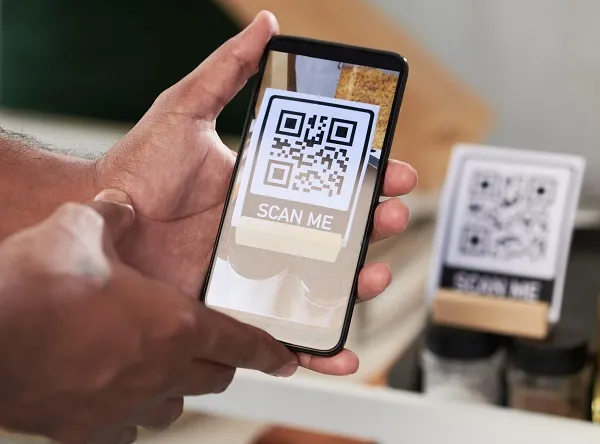
Collect signed forms, policy acknowledgements and contractor documents online
Businesses can use digital signatures to collect signed documents without relying on printing, scanning or chasing paperwork by email.
For Australian workplaces, signed acknowledgements are often part of everyday onboarding and contractor management. New workers may need to accept company policies, contractors may need to sign site rules and visitors may need to acknowledge safety requirements before entering a workplace.
When this process is handled manually, records can quickly become difficult to manage. Forms get lost in inboxes, signatures are missed, old versions of documents remain in circulation and administrators spend too much time following up.
INDUCT FOR WORK helps businesses collect digital signatures as part of their online induction software process. Workers, contractors and visitors can complete their induction, review required documents and sign important forms online before they arrive on site.
This creates a cleaner, faster and more reliable way to manage signed records.
What is a digital signature?
A digital signature is a way for a person to sign or acknowledge a document electronically.
In an induction process, this may include a worker signing a policy, a contractor accepting site rules or a visitor confirming that they have read important safety instructions.
Instead of printing a document, signing it by hand, scanning it and sending it back, the person can complete the process online using a phone, tablet, laptop or desktop computer.
A digital signature can help confirm:
- who signed the document
- what document was signed
- when the document was signed
- which induction or form the signature was connected to
- whether the person completed the required step before approval
For businesses that manage large numbers of workers or contractors, this is much easier than keeping paper folders or searching through email attachments.
Why digital signatures matter in online inductions
Online inductions are designed to make onboarding faster, clearer and easier to track. Digital signatures support that process by allowing important documents to be reviewed and accepted during the same workflow.
A worker can complete training, answer questions, review policies and sign required documents before starting work. A contractor can acknowledge site rules, upload licences and sign declarations before being approved for site access.
This helps reduce delays and gives administrators a clearer record of what has been completed.
They are especially useful for:
- workplace policy acknowledgements
- contractor agreements
- site access forms
- safety declarations
- training acknowledgements
- equipment use confirmations
- visitor declarations
- SWMS acknowledgements
- confidentiality agreements
- HR onboarding documents
For many businesses, the signature is the final proof that a person has received, reviewed and accepted important information.
Digital signatures reduce paperwork and admin
Paper forms create unnecessary work.
Someone needs to print the form, give it to the right person, wait for it to be signed, scan it, file it and make sure it can be found later. If the form is incomplete or missing, the process starts again.
Digital signatures remove many of these manual steps.
With INDUCT FOR WORK, documents can be added to an induction or online form. The person completing the induction can review the information and provide their signature during the same process.
The process helps businesses reduce:
- paper handling
- manual filing
- repeated follow-up emails
- missing signatures
- incomplete forms
- delays before work starts
- confusion over document versions
For administrators, the benefit is simple. Signed records are stored online and can be retrieved when needed.
Better record keeping for audits and compliance checks
Signed documents are only useful if they can be found later.
If a business needs to prove that a worker accepted a policy, completed a declaration or acknowledged site rules, the record should be easy to locate. Searching through emails, folders or old paper files wastes time and creates unnecessary risk.
Digital signatures help improve record keeping by storing signed documents in one place.
This is useful when:
- preparing for audits
- checking contractor compliance
- investigating incidents
- confirming site access requirements
- reviewing worker training history
- responding to client or management requests
- proving that a document was accepted before work began
INDUCT FOR WORK keeps signed records linked to the relevant person, induction and document. This makes it easier for managers and administrators to confirm who signed what and when.
Digital signatures for contractors
Contractors often need to provide more information than employees before starting work. They may need to complete a site induction, upload licences, provide insurance documents and sign contractor declarations.
Bringing these steps into one digital process gives contractors a simpler way to complete required paperwork.
With INDUCT FOR WORK, contractors can be invited to complete their induction online before arriving on site. They can review required documents, sign acknowledgements and provide important information as part of the same workflow.
This supports stronger contractor management because administrators can check whether all required steps have been completed before allowing work to begin.
Digital signatures can be used for:
- contractor site rules
- contractor safety declarations
- SWMS acknowledgements
- work authorisation forms
- insurance declarations
- plant and equipment rules
- site access agreements
- subcontractor acknowledgements
For contractor-heavy workplaces, this creates a more dependable process than relying on paper forms collected at reception or emailed to different supervisors.
Digital signatures for employees
Digital signatures are also useful for employee onboarding.
New workers often need to read and accept workplace policies, procedures and employment-related documents. If these documents are handled manually, HR teams can spend too much time chasing signatures and checking whether forms have been returned.
Using digital signatures during employee onboarding helps create a smoother process.
Employees can complete required forms before their first day or during their induction. This helps them start with a clearer understanding of workplace expectations while giving the business a proper signed record.
Common employee documents include:
- workplace policies
- code of conduct acknowledgements
- safety procedures
- equipment rules
- confidentiality agreements
- emergency procedure acknowledgements
- training declarations
- HR forms
- internal procedures
This creates a better onboarding experience and helps reduce missing paperwork.
Digital signatures for visitors
Visitors may also need to acknowledge site rules before entering a workplace.
This is common in construction sites, warehouses, factories, schools, health facilities, council facilities and event locations. Visitors may need to confirm that they understand emergency procedures, restricted areas, PPE requirements or site conduct rules.
By connecting digital signatures to a visitor management process, businesses can collect signed acknowledgements before or during arrival.
This helps create a clearer record of visitor compliance and reduces reliance on paper sign-in sheets.
How digital signatures work in INDUCT FOR WORK
INDUCT FOR WORK allows businesses to include digital signature steps as part of online inductions, forms and document workflows.
A typical process may look like this:
- upload the document or create an online form
- add signature fields or acknowledgement fields
- assign the document to the correct induction
- invite workers, contractors or visitors to complete it online
- track completion through reporting
- store signed records for future reference
This process helps businesses manage signed documents without needing a separate signing tool.
Because digital signatures are connected to the induction process, administrators can see whether the person has completed their training, signed required documents and submitted other required information
Documents that can be signed during an online induction
Different organisations require different signed documents depending on their work, industry and internal processes.
Common examples include:
- company policy acknowledgements
- workplace health and safety declarations
- contractor site access agreements
- SWMS acknowledgements
- confidentiality agreements
- equipment use declarations
- visitor safety declarations
- licence and permit declarations
- induction completion declarations
- emergency procedure acknowledgements
- PPE acknowledgements
- risk assessment confirmations
Businesses can also use custom forms to collect information, signatures and acknowledgements in one online process.
This is useful when standard paperwork does not match the exact needs of the workplace.
Why online signatures are better than paper forms
Paper forms may appear simple at first, but they become harder to manage as the business grows.
If you manage only a few workers, paper may seem manageable. Once you add multiple sites, contractors, casual staff, visitors or recurring inductions, paper records quickly become harder to control.
Digital signatures provide a better way to manage signed documents because they are easier to collect, easier to store and easier to retrieve.
Paper signature process
- requires printing
- depends on manual filing
- can be lost or damaged
- may be hard to read
- can create version confusion
- requires manual follow-up
- is difficult to track across multiple sites
Digital signature process
- completed online
- linked to the person’s profile
- stored with the induction record
- easier to retrieve
- easier to track
- suitable for remote workers and contractors
- reduces manual administration
For modern workplaces, the digital process is cleaner and more practical.
Digital signatures and online induction reporting
A signature should not sit separately from the rest of the induction record.
Administrators need to know whether the person completed training, passed required quizzes, uploaded documents and signed required forms. That is why digital signatures work best when they are connected to an online induction system for contractors or employees.
INDUCT FOR WORK helps administrators track induction and signature completion in one place.
This can help answer important questions such as:
- Has the worker completed the induction?
- Has the contractor signed the site rules?
- Has the visitor accepted the safety declaration?
- Has the employee acknowledged the policy?
- Which documents are missing?
- Who needs to be followed up?
- Can this person be approved for site access?
This gives businesses better visibility and reduces manual checking.
Best practice tips for digital signatures
Digital signatures work best when they are simple, clear and connected to the right point in the induction process.
Keep documents relevant
Only ask people to sign documents that apply to their role, site or task. Contractors, employees and visitors may need different forms.
Use clear wording
People should understand what they are signing. Use plain English, short instructions and direct acknowledgement wording.
Place signatures at the right point
A signature should appear after the person has reviewed the relevant information. For example, a site rules acknowledgement should appear after the site rules section.
Keep records together
Signed documents should be stored with the person’s induction record so they can be found later.
Review documents regularly
Policies, forms and procedures should be reviewed when business requirements change.
Make it mobile-friendly
Many contractors and field workers complete inductions on phones. Forms should be easy to read and complete on smaller screens.
Start collecting digital signatures online
Digital signatures make online inductions more complete.
Instead of asking workers and contractors to complete training online but sign forms separately, INDUCT FOR WORK allows businesses to bring the whole process together.
You can deliver inductions, collect forms, capture signatures, store records, track completion and manage follow-ups from one platform.
This helps reduce paperwork, improve record keeping and create a more reliable onboarding process for employees, contractors and visitors.
Whether you manage a construction site, council facility, school, warehouse, manufacturing workplace, event venue or contractor workforce, INDUCT FOR WORK helps you collect the right information before people begin work.
Move away from paper forms and start managing digital signatures as part of your online induction process.
Frequently asked questions
A digital signature in an online induction is an electronic way for a worker, contractor or visitor to sign or acknowledge a document during the induction process.
Yes. Digital signatures can be completed on a phone, tablet, laptop or desktop computer.
Common documents include site rules, safety acknowledgements, contractor declarations, workplace policies, visitor declarations, SWMS acknowledgements and onboarding forms.
Electronic signatures can be used in many Australian business situations. The general position is that many documents and transactions can be handled electronically, although some exceptions may apply depending on the type of document, industry or jurisdiction.
Yes. Digital signatures can help with audits by keeping signed records linked to the person, document and induction process.
Yes. Contractors can complete inductions, review documents and sign required forms online before they arrive on site.
Yes. INDUCT FOR WORK helps businesses store signed documents and induction records online so they can be retrieved when needed.
Start a free trial or book a demo to see how INDUCT FOR WORK can support your workplace processes.
Author: Matt Tsashkuniats
Published: 28/01/2025
Last edited: 30/04/2026