
How to Hire International Workers in Australia
A practical guide for employers.
Hiring international workers can help Australian businesses fill skill gaps, manage seasonal demand, support specialist roles and build stronger teams.
Many industries rely on overseas workers, migrant workers, visa holders, international students, skilled migrants and temporary workers. This may include agriculture, hospitality, construction, health care, aged care, cleaning, transport, manufacturing, events and professional services.
However, hiring international workers needs careful handling.
Employers should understand work rights, visa conditions, pay obligations, onboarding, safety training, workplace communication and records before a person starts work.
The Department of Home Affairs says employers can use VEVO to check whether a visa holder has permission to work and whether any restrictions apply. VEVO can show the current visa, expiry date, period of stay and conditions attached to the visa.
Fair Work states that visa workers are entitled to the same minimum pay rates and workplace conditions as any other Australian employee doing the same job in the same workplace.
INDUCT FOR WORK helps employers deliver online induction, onboarding training, forms, acknowledgements, certificates, incident reporting and records in one platform. For broader training management, INDUCT FOR WORK can also support an LMS for workplace training structure where induction, refresher training, quizzes, certificates and records sit together.
A structured process also supports a stronger safety culture because international workers receive clear instructions before work begins. In addition, rapid induction setup can help businesses turn policies, safety rules, videos, forms and checklists into online training sooner.
Why employers hire international workers
International workers can help employers meet real workforce needs.
Businesses may hire international workers because they need:
- specialist skills
- seasonal labour
- multilingual staff
- regional workforce support
- hard-to-fill roles
- additional staff during peak demand
- technical expertise
- temporary project workers
- labour for remote locations
- workers with overseas experience
Hiring international workers can be valuable, but it should not be rushed.
Employers need to confirm that the worker has the right to work, understands the workplace and receives the same lawful pay and conditions as other employees.
A good process protects both the business and the worker.
Start with work rights checks
Before hiring a person who is not an Australian citizen or permanent resident, employers should check whether the person has a visa with work entitlements.
Home Affairs says an employer can check a person’s visa details by asking the person to email their current visa details from VEVO or by using VEVO directly with the visa holder’s permission.
A work rights check may show:
- visa type
- visa expiry date
- work conditions
- restrictions
- period of stay
- whether work is allowed
- whether follow-up checks may be needed
Employers should not guess.
A person may have permission to work, limited work rights or conditions that affect the role. Visa conditions can vary and employers should check official sources.
Where the business sponsors a worker, sponsorship obligations may also apply. Home Affairs provides information for employers and sponsors, including obligations for standard business sponsors.
This page provides general information only and does not provide migration, employment or legal advice.
Understand visa conditions
Visa conditions matter because they can affect whether a person can work, where they can work, how much they can work or which employer they can work for.
Employers should review the worker’s current visa details and conditions before the person starts.
VEVO is the official online service used to check visa details and conditions. Home Affairs explains that VEVO tells users what the visa holder can and cannot do.
Examples of matters employers may need to check include:
- whether the person can work
- any work-hour restrictions
- visa expiry date
- role or employer restrictions
- study-related work conditions
- sponsorship conditions where relevant
- follow-up date before expiry
- whether a new check is needed later
A single check at the start may not be enough if the worker’s visa has an expiry date or conditions that may change.
Employers should create a reliable review process.
International workers have workplace rights
International workers are not a separate class of worker for pay and basic workplace protections.
Fair Work says visa workers are entitled to the same minimum pay rates and workplace conditions as other Australian employees with the same job in the same workplace.
Home Affairs also states that all workers in Australia have rights and protections at work and that employers of overseas workers must obey Australian immigration and workplace laws.
Employers should make sure they understand:
- minimum pay rates
- award or agreement coverage
- National Employment Standards
- hours of work
- leave entitlements
- payslips
- records
- superannuation
- workplace safety
- discrimination protections
- termination requirements
- casual employment rules where relevant
Fair Work also says employers must give every new employee a Fair Work Information Statement before or as soon as possible after they start. New casual employees must also receive the Casual Employment Information Statement.
Pay and conditions must be correct
Pay mistakes can create serious problems.
International workers may be less familiar with Australian awards, payslips, superannuation, penalties, overtime and leave. That makes clear communication important.
Employers should check:
- correct award or agreement
- base rate
- penalty rates
- overtime
- casual loading where relevant
- allowances
- leave entitlements
- payslip details
- superannuation
- record keeping
- role classification
- working hours
Fair Work explains that the minimum terms and conditions of employment come from awards, registered agreements, contracts and the National Employment Standards. A contract or registered agreement cannot provide less than the National Employment Standards.
Employers should also note that new Payday Super rules are scheduled to start on 1 July 2026. Fair Work says employers will need to pay superannuation contributions at the same time they pay employees’ wages from that date.
Do not rely on assumptions
International workers may have different levels of English, work experience, safety training and familiarity with Australian workplace procedures.
A worker may be highly skilled in their occupation but still unfamiliar with:
- local safety rules
- emergency procedures
- Australian employment documents
- reporting expectations
- workplace communication style
- role boundaries
- site access process
- PPE requirements
- incident reporting
- payroll processes
- induction requirements
- supervisor escalation
A proper onboarding and induction process should close those gaps.
For wider new-starter structure, see onboarding.
Clear instructions reduce confusion and help the worker start with confidence.
Pre-employment checks and document collection
Hiring international workers may involve collecting and checking documents before work begins.
Depending on the role, this may include:
- work rights evidence
- visa details
- identity documents
- qualifications
- licences
- tickets
- professional registration
- emergency contact details
- tax details
- bank details
- signed contract
- policy acknowledgements
- training certificates
- role-specific declarations
For broader pre-employment screening guidance, see background checks before employment.
Employers should only collect documents they genuinely need and should store personal information securely.
Sensitive documents should not sit unprotected in inboxes, shared folders or printed piles on desks.

Induction before work begins
International workers should receive a clear induction before they begin.
Induction may cover:
- company overview
- role expectations
- supervisor contact
- workplace rules
- work hours
- payroll basics
- emergency procedures
- safety rules
- PPE requirements
- incident reporting
- hazard reporting
- workplace conduct
- site access
- forms and acknowledgements
- training records
- where to get help
For a broader workplace-readiness guide, see work induction.
Induction should not be treated as a quick box-ticking exercise.
A worker who does not understand the instructions may be placed at risk or may make avoidable mistakes.
Workers with limited English
Some international workers may speak English well.
Others may need clearer wording, visuals, translated support or extra confirmation that important instructions were understood.
For practical guidance, see inducting non-English-speaking workers.
Useful approaches include:
- plain language
- short sentences
- visual examples
- photos from the actual workplace
- simple diagrams
- short videos
- role-specific pathways
- translated support where appropriate
- practical quizzes
- supervisor check-ins
- repeat training where needed
Avoid relying on long policy documents.
A worker may sign a form without fully understanding the content if the wording is too complex.
Training should confirm understanding, not just completion.
Safety training for international workers
Safety training should be practical and role-specific.
International workers may need guidance on:
- workplace hazards
- emergency procedures
- PPE
- manual handling
- machinery rules
- chemicals
- vehicle movement
- working alone
- heat and weather exposure
- incident reporting
- aggression or customer behaviour
- fatigue
- restricted areas
- stop-work expectations
For broader safety induction guidance, see online safety induction.
A worker should know how to report a hazard and who to contact before an incident occurs.
For more detail on hazard identification, see workplace hazards.
Role-specific training
International workers should receive training that matches the role they will actually perform.
A farm worker, cleaner, hospitality worker, construction labourer, aged care worker, truck driver and office worker do not need the same induction pathway.
Role-specific training may include:
- site rules
- role tasks
- equipment used
- PPE
- hazards
- supervisor contact
- forms required
- certificates needed
- reporting steps
- refresher requirements
For broader role-based induction planning, see role-specific work induction.
Relevant training is easier to understand and easier to complete.
It also prevents important instructions from being buried inside unrelated content.
International workers in seasonal industries
Seasonal industries often rely on international workers.
This may include:
- agriculture
- horticulture
- hospitality
- tourism
- events
- food production
- cleaning
- warehousing
- construction support
- transport
- aged care support roles
Seasonal hiring can create time pressure.
Workers may arrive close to the start of a harvest, event, busy season or project. That makes induction and document collection even more important.
For agriculture-specific guidance, see online inductions in agriculture.
A seasonal worker should still receive proper pay, work rights checks, safety training and clear instructions.
Speed should not remove the basics.
Contractors and international workers
Some international workers may work through labour hire firms, subcontractors or contractor arrangements.
Employers should understand who is responsible for onboarding, site rules, training and safety information.
Where contractors or external workers enter a site, a contractor induction may be needed.
For the main contractor readiness guide, see contractor induction.
Contractor induction may include:
- company details
- worker details
- site access rules
- emergency procedures
- PPE
- document uploads
- licences or certificates
- incident reporting
- supervisor contact
- acknowledgements
- completion certificates
A contractor may be experienced, but still needs site-specific instructions.
Workplace communication
Good communication is essential when hiring international workers.
Employers should explain:
- who the worker reports to
- how rosters are shared
- when shifts start and finish
- how breaks work
- how pay questions are handled
- where safety concerns go
- how to report incidents
- what to do when sick
- how to request leave
- where policies are kept
- who to contact after hours
- how changes are communicated
Simple instructions help avoid confusion.
Managers should not assume that a new worker understands local workplace habits, slang or informal processes.
Important instructions should be written down, trained and recorded.
Fair treatment and worker confidence
International workers should feel able to ask questions, report concerns and seek help.
Home Affairs states that employers do not have the power to cancel a visa or change visa conditions. Only the Australian Government can grant or cancel a visa.
This matters because some workers may be afraid to raise concerns if they misunderstand their rights or believe an employer can affect their visa directly.
Employers should create a workplace where workers know:
- how to ask questions
- who can explain pay
- how to report hazards
- where to raise concerns
- how incidents are handled
- which documents are required
- who manages work rights checks
- what happens when a visa expiry approaches
Clear communication protects the worker and helps the business operate properly.
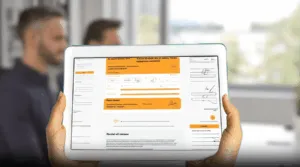
Forms and acknowledgements
Hiring international workers often involves forms and acknowledgements.
These may include:
- emergency contact form
- worker declaration
- policy acknowledgement
- safety induction acknowledgement
- PPE acknowledgement
- work rights check record
- licence upload
- qualification upload
- training certificate upload
- incident reporting acknowledgement
- privacy acknowledgement
- role-specific declaration
With custom forms and digital signatures, employers can collect information and sign-offs online.
This helps reduce loose paperwork and makes records easier to review.
Incident and hazard reporting
International workers should understand how to report problems.
Reporting may include:
- injuries
- near misses
- hazards
- damaged equipment
- unsafe behaviour
- missing PPE
- chemical exposure
- vehicle incidents
- aggression
- heat stress
- fatigue
- unsafe accommodation concerns where relevant
- payroll or workplace concerns through the correct internal process
INDUCT FOR WORK supports incident reporting so businesses can capture hazards, near misses and incidents online.
For practical reporting examples, see incident report examples.
Workers should not need to guess whether a concern is worth reporting.
If something may cause harm, it should be easy to raise.
Record keeping for international worker onboarding
Employers need reliable records when hiring international workers.
Records may include:
- work rights check date
- visa expiry or review date
- onboarding completion
- induction pathway
- training certificates
- forms submitted
- documents uploaded
- policy acknowledgements
- safety training
- role-specific modules
- incident reports
- refresher training
- supervisor follow-up notes
- records needing review
INDUCT FOR WORK helps improve record keeping by keeping training records, forms, certificates and acknowledgements online.
In addition, reporting helps managers review completion status and follow up where needed.
Good records reduce reliance on inbox searches, spreadsheets and paper folders.
Refresher training and visa follow-up
International worker onboarding should not end after the first day.
Follow-up may be needed when:
- visa expiry dates approach
- work rights need rechecking
- role duties change
- workers move sites
- new equipment is introduced
- safety procedures change
- incident trends appear
- seasonal work begins
- language support is needed
- updated policies apply
- supervisor arrangements change
Auto reinvite can help businesses assign refresher training, repeat acknowledgements and updated modules.
Employers should also keep a process for reviewing work rights where visa conditions or expiry dates require follow-up.
From rushed hiring to structured onboarding
| Rushed Hiring Process | Structured International Worker Onboarding |
|---|---|
| Work rights are checked informally | VEVO details and review dates are recorded |
| Policies are emailed as long PDFs | Workers complete clear online modules |
| Safety is explained verbally | Induction covers hazards and reporting steps |
| Documents sit in inboxes | Uploads can stay linked to the worker record |
| Workers receive generic instructions | Role-specific pathways explain relevant tasks |
| Limited-English workers rely on guesswork | Plain language and visuals improve understanding |
| Forms are collected manually | Forms can be completed during induction |
| Refresher training gets missed | Updates can be scheduled and tracked |
| Supervisors chase completion manually | Reports show who needs follow-up |
| Records are scattered | Completion records stay easier to review |
This gives employers a more reliable way to prepare international workers before work begins.
Common mistakes when hiring international workers
Skipping work rights checks
Employers should check visa details and work conditions through official channels.
Assuming all visas allow the same work
Visa conditions can vary and should be reviewed carefully.
Treating pay differently
Visa workers are entitled to the same minimum pay rates and conditions as other Australian employees doing the same job in the same workplace.
Relying on verbal induction
Important safety, payroll, role and reporting instructions should be clear and recorded.
Using complex language
Plain English, visuals and role-specific examples can improve understanding.
Forgetting follow-up dates
Visa expiry dates, licences and training refreshers may need review.
Leaving documents in emails
Work rights evidence, forms and certificates should be stored securely and logically.
Assuming experience means local knowledge
A skilled worker may still need Australian workplace and site-specific induction.
Best practice tips for hiring international workers
Check work rights before work starts
Use official guidance and VEVO where required.
Explain pay and conditions clearly
Workers should understand pay, hours, breaks, payslips and who to contact with questions.
Use plain language induction
Keep training practical and easy to understand.
Match training to the role
Workers need instructions that reflect the actual task, site and risk level.
Collect documents securely
Only collect what is needed and keep records protected.
Include incident reporting
Workers should know how to report injuries, hazards and near misses.
Track follow-up dates
Visa expiry, training refreshers and document renewals should not rely on memory.
Support questions early
New workers should know who can help before problems become serious.
Start improving international worker onboarding
Hiring international workers can help businesses meet workforce needs, but the process needs care.
Employers should check work rights, understand visa conditions, provide lawful pay and conditions, deliver clear induction, explain safety procedures and keep reliable records.
INDUCT FOR WORK helps businesses deliver induction, forms, acknowledgements, certificates, incident reporting and training records online.
For broader training management, see LMS for workplace training. For new-starter structure, see onboarding.
Give international workers clearer instructions before their first shift begins.
Frequently asked questions
Employers should check whether the person has the right to work in Australia and whether any visa conditions apply. Home Affairs says employers can use VEVO to check visa details and work restrictions with the visa holder’s permission.
Visa workers are entitled to the same minimum pay rates and workplace conditions as other Australian employees doing the same job in the same workplace.
VEVO is Visa Entitlement Verification Online. It allows visa holders, employers, education providers and other organisations to check visa details and conditions.
Yes. International workers should complete induction so they understand workplace rules, safety procedures, incident reporting, emergency contacts, role expectations and required forms.
Employers can use plain language, short modules, visual examples, translated support where appropriate, practical quizzes and supervisor check-ins.
Yes. INDUCT FOR WORK can help employers manage induction completion, forms, acknowledgements, certificates, incident reports and refresher training records online.
Follow-up checks may be needed when a visa has an expiry date or work conditions that require review. Employers should keep a reliable process for checking relevant dates.
Start a free trial or book a demo to see how INDUCT FOR WORK can support your workplace processes.
Author: Anna Milova
Published: 19/06/2019
Updated: 28/05/2026