
Practical induction topics for farm workers, contractors and seasonal crews
Farming is built on routines that must be done properly every day.
Livestock still need care on weekends. Crops still need attention when the weather changes. Machinery still needs to run when the season demands it. Contractors may arrive for one task and leave the same day. Seasonal workers may start quickly during harvest, shearing, pruning, planting or packing periods.
That is why a farm induction guide needs to be practical, clear and tied to the way work actually happens on the property.
A new worker may have farming experience, but they still need to understand your farm layout, machinery rules, vehicle tracks, chemical storage, livestock handling expectations, emergency contacts, restricted areas and reporting process.
This page focuses on what to include in a farm induction and how to structure training for workers, contractors and seasonal crews.
For a broader overview of online induction software across agriculture and farming businesses, visit our online inductions in agriculture page.
INDUCT FOR WORK helps farms turn these induction topics into online training, forms, acknowledgements, certificates and records.
A strong farm induction also supports a better safety culture because workers receive key information before they start. In addition, rapid induction setup can help farms move existing safety notes, PDFs, checklists and procedures into an online induction process sooner.
What is a farm induction?
A farm induction is a structured introduction to the property, work rules, hazards, emergency procedures and expectations that apply before someone begins farm work.
It may apply to:
- permanent farm employees
- casual workers
- seasonal workers
- harvest crews
- contractors
- machinery operators
- livestock handlers
- spray operators
- packhouse workers
- maintenance workers
- visitors entering work areas
- family members helping with farm tasks
A farm induction should explain the information people need before work begins.
This may include:
- where to enter and park
- who to report to
- which areas are restricted
- how to report hazards and incidents
- what PPE is required
- how vehicles and machinery move around the property
- where chemicals, fuels and tools are stored
- what to do in an emergency
- when someone must not work alone
- which tasks require extra training or approval
The best farm inductions are not long lectures. They are clear, practical and easy to remember.
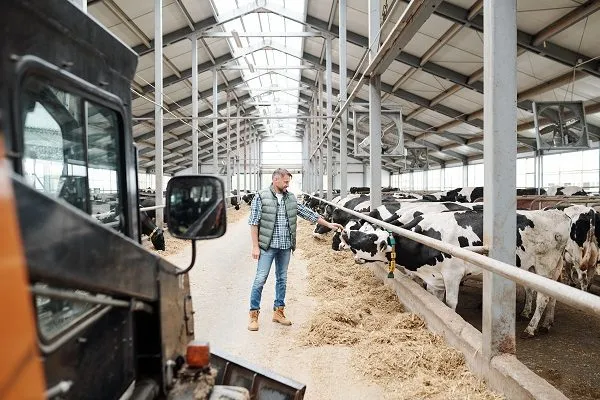
Why farm inductions matter
Farms are active work environments with changing conditions.
Work may involve vehicles, tractors, quad bikes, livestock, machinery, chemicals, dams, silos, workshops, sheds, public roads, uneven ground, power tools, contractors and remote work areas.
Because of this, assumptions can create risk.
A worker may know how to operate machinery, but not know your property traffic rules. A contractor may understand their trade, but not know where people or animals move. A seasonal worker may be reliable, but unfamiliar with heat stress, emergency contacts or chemical storage rules on your farm.
A farm induction helps make expectations clear before work starts.
It can help farms:
- reduce repeated explanations
- give workers consistent information
- prepare seasonal crews faster
- explain property-specific risks
- improve hazard reporting
- confirm who completed training
- keep records for review
- reduce confusion across multiple work areas
- make contractor expectations clearer
- prepare workers before they arrive
As a result, the induction becomes more than a formality. It becomes a useful part of running the farm.
Where farm inductions matter most
Farm inductions matter most when people enter an unfamiliar property or start work with limited preparation time.
This is common during:
- harvest
- shearing
- lambing
- calving
- spraying
- pruning
- planting
- packing
- irrigation work
- machinery maintenance
- fencing work
- contractor repairs
- seasonal labour intake
- farm expansion
- new equipment use
- emergency response after storms or floods
In these moments, people often need information quickly.
A good farm induction gives them a clear starting point before they move around the property, operate equipment or work near hazards.
Why farm inductions often fall through the cracks
Farm work rarely waits for paperwork.
When weather changes, machinery breaks down or seasonal crews arrive, induction can easily become a quick verbal briefing. The owner or manager may explain the basics, point out a few hazards and then move on to the next urgent job.
However, that approach can create gaps.
INDUCT FOR WORK helps farms turn induction into a repeatable process instead of a rushed conversation.
It can help when:
- seasonal workers arrive with little notice
- contractors need site rules before starting
- machinery rules are explained differently by different supervisors
- workers do not know where to report hazards
- chemical handling instructions sit in a folder
- emergency contacts are not clearly shared
- workers move between paddocks, sheds and remote areas
- language barriers make verbal briefings harder
- induction records are kept on paper
- managers are unsure who completed training
- refresher training is forgotten after a quiet period
- multiple properties use different induction methods
With an online process, workers can complete core induction before arriving and managers can check records without searching through folders or messages.
Property orientation and access rules
Every farm induction should begin with property orientation.
Workers and contractors need to understand where they are allowed to go, how they should move around and who they must contact before starting.
This section may cover:
- property address and access points
- farm map or basic layout
- parking areas
- sign-in rules
- who to report to on arrival
- restricted areas
- sheds and workshops
- livestock yards
- chemical storage
- fuel storage
- machinery areas
- dams, channels or waterways
- family areas on mixed-use properties
- visitor rules
- biosecurity requirements where relevant
For example, a contractor arriving to repair irrigation equipment may not need the same information as a seasonal picker. However, both need to know where to enter, who to contact and which areas are restricted.
Emergency procedures and contacts
Farm emergencies can become serious quickly because work areas are often spread out.
A farm induction should clearly explain emergency procedures before work begins.
Include:
- emergency contact numbers
- property address for emergency services
- nearest cross road or gate name
- first aid locations
- first aiders
- fire extinguishers and water points where relevant
- muster or assembly areas
- UHF or mobile communication channels
- what to do if mobile reception fails
- who contacts emergency services
- how to guide emergency services to the location
- what to do during fire, flood, storm or injury events
Because farms often involve remote or isolated areas, workers should know how to raise help and how to describe their location.
This information should be simple and easy to access after induction too.
Vehicles, quad bikes and mobile plant
Vehicles are used constantly on many farms.
Farm workers may drive utes, tractors, side-by-sides, quad bikes, forklifts, loaders, harvesters, trucks or other mobile plant.
A farm induction should explain vehicle and mobile plant rules clearly.
This may include:
- speed limits
- seatbelt rules
- authorised operators only
- no passengers unless the vehicle allows it
- no mobile phone use while driving
- safe reversing rules
- use of spotters where needed
- parking and key removal rules
- pre-start checks
- defect reporting
- traffic routes
- pedestrian areas
- loading and unloading rules
- separation from livestock or public areas
If quad bikes or side-by-sides are used, the induction should also explain helmet rules, terrain limits, load restrictions and passenger rules.
Machinery, guarding and isolation
Farm machinery can create serious risk when workers do not understand the rules.
This section may apply to tractors, augers, harvesters, balers, slashers, conveyors, pumps, workshop tools, post drivers, elevators, choppers or processing equipment.
A farm machinery induction may cover:
- who can operate machinery
- required training or authorisation
- pre-start checks
- guarding expectations
- no bypassing guards
- isolation before maintenance
- lockout or tagout procedures where used
- exclusion zones
- safe cleaning procedures
- defect reporting
- emergency stop locations
- maintenance handover rules
A simple rule should be clear: if a worker has not been trained and authorised, they should not operate or repair the machinery.
Livestock handling and animal behaviour
Livestock work has its own risks.
Animals can be unpredictable, especially when stressed, separated, moved, treated or loaded.
A livestock induction may cover:
- yard flow
- safe approach distances
- crush points
- kick zones
- safe gate use
- working around bulls, rams, boars or stallions
- animal handling equipment
- dog use rules where relevant
- loading and unloading livestock
- when a second person is required
- hygiene after animal contact
- what to do after a bite, kick, crush injury or needle-stick
Livestock induction should reflect the animals on the property and the tasks the worker will perform.
For example, a worker helping in sheep yards may need different instructions from someone working around dairy cattle or horses.
Chemicals, fuels and safety information
Many farms use chemicals for weeds, pests, cleaning, animal health, maintenance and crop protection.
Workers need to know how chemicals and fuels are stored and who can use them.
A farm induction may cover:
- chemical storage areas
- fuel storage areas
- safety data sheet access
- chemical register location
- labelling rules
- mixing and decanting procedures
- PPE requirements
- spill response
- washdown and decontamination
- disposal of containers
- restricted chemical use
- who is authorised to spray or mix chemicals
- what to do after exposure
With custom forms, farms can collect chemical handling acknowledgements, equipment checks or task declarations online.
This helps managers keep records instead of relying only on verbal instructions.
Working alone and remote farm work
Many farm tasks happen away from the main house, office or shed.
Workers may be fencing, checking water, inspecting livestock, spraying, driving machinery or working in distant paddocks.
A farm induction should set rules for working alone and remote work.
This may include:
- check-in times
- communication methods
- mobile phone coverage limits
- UHF channels
- GPS or location sharing where used
- work areas that require two people
- what to do if communication fails
- emergency response steps
- fatigue or heat triggers
- supervisor contact process
Working alone should not depend on guesswork. Workers should know when they must check in and what to do if plans change.
Fatigue, heat and weather exposure
Farming often involves early starts, long days and work in changing weather.
During harvest, shearing, spraying, calving or other peak periods, fatigue can build quickly.
A farm induction should cover:
- rest breaks
- hydration
- heat stress signs
- sun protection
- severe weather rules
- lightning response
- unsafe wind conditions
- fatigue warning signs
- reporting when unfit for work
- rotating high-effort tasks
- safe driving after long shifts
This topic matters because fatigue and weather exposure affect judgement, reaction time and communication.
For seasonal crews, this information should be delivered before the first long day begins.
Hazard, incident and near miss reporting
A farm induction should make reporting simple.
Workers should know what to report, who to report it to and how quickly urgent issues need to be raised.
Reporting may include:
- injuries
- near misses
- damaged equipment
- missing guards
- chemical spills
- livestock incidents
- vehicle incidents
- unsafe ground conditions
- fatigue concerns
- heat stress symptoms
- working alone issues
- fire hazards
- blocked access
- public safety concerns
INDUCT FOR WORK supports incident reporting so farms can capture hazards, incidents and near misses online.
As a result, managers can identify problems earlier and keep a clearer record of what happened.
Farm contractor induction
Contractors often bring specialist knowledge, but they still need farm-specific instructions.
This may apply to:
- electricians
- plumbers
- fencing contractors
- machinery technicians
- shearers
- truck drivers
- agronomists
- spray contractors
- livestock transporters
- irrigation contractors
- builders
- maintenance providers
A contractor induction helps explain property rules before contractors begin.
It may cover:
- access and parking
- restricted areas
- emergency contacts
- biosecurity rules
- traffic routes
- working around workers, livestock and family areas
- machinery or power isolation
- permit requirements
- site-specific hazards
- incident reporting
- communication expectations
Contractors may be on site for only a short time, but the risks still matter.
Seasonal worker induction
Seasonal workers often start quickly.
They may also be unfamiliar with the property, local conditions, equipment or farm expectations.
A seasonal worker induction should be simple, visual where possible and focused on the most important rules.
It may cover:
- where to arrive
- who the supervisor is
- amenities
- drinking water
- work hours
- heat and fatigue rules
- vehicle and pedestrian safety
- machinery exclusion zones
- manual handling
- reporting injuries
- emergency procedures
- respectful workplace expectations
- pay or administrative instructions where relevant
Because seasonal workers may start in groups, online induction can help deliver core information before the first day.
Then the on-farm briefing can focus on the property walkthrough and practical questions.

Documents, forms and acknowledgements
Farm inductions often need supporting documents.
These may include:
- worker details
- emergency contact forms
- contractor declarations
- licence uploads
- machinery authorisations
- chemical handling acknowledgements
- visitor forms
- policy acknowledgements
- safety declarations
- incident report forms
- equipment checklists
- training certificates
- biosecurity acknowledgements
With digital signatures, farms can collect acknowledgements online and keep them linked to the person’s record.
This is useful when managers need to confirm who completed the induction, which form they signed and when it happened.
Record keeping for farm inductions
Good records help farms manage training more confidently.
Managers may need to check:
- who completed induction
- when induction was completed
- which role module was assigned
- which forms were submitted
- which contractor uploaded documents
- which worker signed an acknowledgement
- which training needs to be refreshed
- which incident or hazard reports were lodged
INDUCT FOR WORK helps improve record keeping by keeping forms, acknowledgements, certificates and completion records online.
In addition, reporting helps managers see completion status and follow up where needed.
This is much easier than searching through folders, paper forms or phone messages.
Why use INDUCT FOR WORK instead of informal farm briefings?
Informal farm briefings are common, but they are not always enough.
A manager may explain the rules clearly to one worker but forget details with the next. A contractor may miss important information because they arrive during a busy period. A seasonal worker may sign a form without fully understanding the property rules.
INDUCT FOR WORK gives farms a more repeatable way to deliver induction information.
It helps farms:
- train workers before arrival
- create role-based induction pathways
- collect forms online
- capture acknowledgements
- track completion
- issue certificates
- manage contractor records
- support incident reporting
- store records in one platform
- assign refresher training
- reduce repeated explanations
For broader agriculture industry examples and online induction software positioning, see the online inductions in agriculture page.
From rushed farm briefings to a clearer induction process
| Informal Farm Induction | INDUCT FOR WORK |
|---|---|
| Rules are explained verbally | Core induction can be delivered online |
| Seasonal workers are briefed on arrival | Training can be completed before day one |
| Contractor instructions vary | Site rules can be assigned consistently |
| Forms are kept in folders | Forms can be completed online |
| Acknowledgements are hard to track | Acknowledgements can be stored with user records |
| Machinery rules depend on memory | Role modules can explain equipment expectations |
| Incident reporting is unclear | Reporting steps can be included in training |
| Records are scattered | Records can stay in one platform |
| Refresher training is forgotten | Updated training can be reassigned |
| Multiple properties use different processes | Inductions can be managed by property or role |
Best practice tips for farm inductions
A good farm induction should be clear, practical and easy to complete.
Keep the core induction short
Start with the information everyone needs, then add role-specific modules.
Use plain language
Avoid overly technical language where simple wording works better.
Include a property map
Even a simple map can help workers understand restricted areas, sheds, yards, chemical storage, parking and emergency points.
Create separate role modules
Machinery operators, livestock workers, spray operators, contractors and seasonal crews may need different information.
Cover emergencies clearly
Farms can be remote, so emergency contacts and location details must be easy to understand.
Record completion
Keep a clear record of who completed induction, when it happened and what content they received.
Review after incidents or seasonal changes
Update induction content when hazards, equipment, procedures or seasonal tasks change.
Start improving farm inductions
A farm induction guide helps you decide what workers, contractors and seasonal crews need to know before they begin work.
The best farm inductions are practical, property-specific and easy to repeat. They explain the rules, highlight the hazards and give workers a clear way to ask questions or report problems.
INDUCT FOR WORK helps farms turn induction topics into online training, forms, acknowledgements, certificates and records.
Use this guide to plan your farm induction content. Then visit the online inductions in agriculture page when you want a broader overview of how online induction software supports agriculture businesses.
Give your workers and contractors a clearer start before they enter the property or begin farm work.
Why INDUCT FOR WORK suits seasonal farming businesses
Seasonal work is part of farming. A farm may need many workers during harvest, pruning, shearing, packing, planting or peak livestock periods, then only need a smaller team during the quieter months.
That makes seasonal flexibility important.
Some software systems are built around fixed usage all year round. However, many farms do not need the same level of induction activity every month. Paying for a larger setup during the off season can feel unnecessary when most seasonal workers have finished and only a small core team remains.
INDUCT FOR WORK is a strong choice for seasonal farming businesses because it gives you more control over how you manage your subscription through the year.
During busy periods, you can use INDUCT FOR WORK to:
- invite seasonal workers before they arrive
- deliver farm induction training online
- collect emergency contact details
- capture acknowledgements
- manage contractor documents
- issue completion certificates
- track who has completed training
- keep records in one place
- support incident and hazard reporting
Then, when the season slows down, you can reduce or cancel your monthly subscription rather than keep paying for a larger setup that you are no longer using.
For example:
After harvest or another peak period, your business may no longer need the same number of active users or the same package level. In that case, INDUCT FOR WORK allows you to downgrade or cancel your monthly subscription during the off season, depending on your account needs and package settings.
This is especially useful for:
- farms with short harvest windows
- agriculture businesses using seasonal crews
- fruit and vegetable growers
- vineyards
- packing sheds
- shearing operations
- event-based rural businesses
- contractors who work in seasonal cycles
- farms with changing labour needs through the year
As a result, INDUCT FOR WORK can support the way farming businesses actually operate. You can scale up when workers need to be inducted and then scale back when the busy period is over.
This makes the platform practical for seasonal businesses that want the benefits of online induction without being locked into the same level of usage all year.
For many farms, that flexibility makes INDUCT FOR WORK one of the best choices for managing seasonal worker inductions, contractor training and farm safety records online.
Frequently asked questions
A farm induction is training that introduces workers, contractors or seasonal crews to farm rules, hazards, emergency procedures, reporting steps and property-specific expectations before work begins.
A farm induction should include property orientation, emergency contacts, vehicle rules, machinery safety, livestock handling where relevant, chemical safety, working alone rules, fatigue controls and reporting steps.
Yes. Seasonal workers should complete induction before starting so they understand property rules, emergency procedures, work expectations and key farm hazards.
Yes. Contractors should receive farm-specific instructions covering access, restricted areas, emergency contacts, biosecurity, incident reporting and any task-specific requirements.
Yes. Farm inductions can be completed online before workers or contractors arrive. This helps save time on the first day and gives managers a clear completion record.
Yes. INDUCT FOR WORK helps farms manage online training, forms, acknowledgements, certificates, contractor records, incident reports and completion records.
Yes. Farm inductions should be refreshed when workers return after a long break, when procedures change, when equipment changes or when seasonal tasks introduce new risks.
Start a free trial or book a demo to see how INDUCT FOR WORK can support your workplace processes.
Author: Ari Parz
Published: 17/10/2024
Last edited: 04/05/2026