Online Induction Strategy: How to Build a Better Training and Onboarding Process
An online induction strategy is more than uploading a few training slides and sending a link to new workers.
A good strategy explains who needs induction, what content each group should receive, how training will be assigned, when refresher training is required, which forms must be collected and how records will be reviewed later.
Without that plan, online induction can become messy. Employees may receive the wrong content. Contractors may miss site-specific requirements. Visitors may get too much information or not enough. Records may exist somewhere, but managers may still struggle to find the right evidence when they need it.
That is why an online induction strategy matters.
INDUCT FOR WORK helps businesses turn induction planning into a practical online process. Staff, contractors, visitors and temporary workers can complete assigned training before they arrive, while administrators manage forms, acknowledgements, certificates, reporting and records in one platform.
A clear induction strategy also supports a stronger safety culture because workers receive consistent information before work begins. In addition, rapid induction setup can help businesses move existing induction documents, videos, PDFs and checklists into an online process sooner.
What is an online induction strategy?
An online induction strategy is the plan behind your digital induction process.
It helps your business decide:
- who needs induction
- which induction pathways are required
- what content belongs in each pathway
- how users will be invited
- when training must be completed
- which forms or acknowledgements are required
- how certificates will be issued
- how records will be stored
- who reviews completion
- how often content should be updated
- when refresher training is needed
- how contractors and visitors should be handled
In simple terms, the strategy turns induction from a one-off training task into a repeatable business process.
For example, a business may have one pathway for employees, one for contractors, one for visitors and one for site-specific training. Each pathway may include different modules, forms, quiz questions and completion rules.
As a result, people receive the information that suits their role instead of being pushed through the same generic induction.
Why online induction strategy matters
Online induction strategy matters because poor planning can weaken even a good platform.
A business may buy software, add some content and invite users. However, if the content is poorly structured, outdated or assigned to the wrong people, the system will not deliver its full value.
A clear strategy helps businesses:
- reduce repeated manual briefings
- deliver consistent information
- separate staff, contractor and visitor content
- avoid overloading users
- collect forms online
- track completion before arrival
- keep records easier to find
- assign refresher training
- improve contractor readiness
- support multiple sites
- manage policy acknowledgements
- review content regularly
- connect induction with reporting and records
Therefore, strategy should come before rollout.
The better the planning, the easier it becomes to manage induction over time.
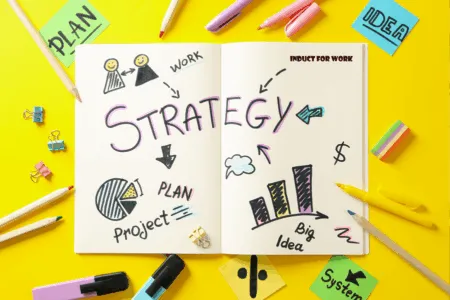
Where online induction strategy makes the biggest difference
An online induction strategy is useful in any workplace where people need important information before they begin work or enter a site.
It is especially useful for:
- construction businesses
- manufacturing sites
- warehouses
- logistics companies
- councils
- schools and education providers
- healthcare and aged care organisations
- farms and agriculture businesses
- event organisers
- shopping centres
- hospitality groups
- facilities management teams
- mining and resources businesses
- contractor-heavy workplaces
- multi-site organisations
- businesses with regular staff turnover
- workplaces with seasonal crews
In these workplaces, induction is rarely a simple one-time task.
Different people need different information at different times. For example, a new employee may need company policies and role expectations. A contractor may need site access rules and SWMS requirements. A visitor may only need a short safety briefing and acknowledgement.
A strategy helps each group receive the right level of training.
Why induction strategies often fall apart
Many induction strategies begin with good intentions, then become harder to manage as the business grows.
A few new starters can be managed manually. A handful of contractors can be emailed instructions. A small site can rely on a supervisor briefing. However, once more sites, roles, contractors and records are involved, the process can start to break down.
INDUCT FOR WORK helps businesses create a more repeatable induction process.
It can help when:
- different managers give different instructions
- contractors start before completing site requirements
- staff receive too much irrelevant training
- visitors receive no clear safety information
- induction records sit in emails and folders
- forms are collected manually
- training content becomes outdated
- refresher training is forgotten
- supervisors cannot see who has completed training
- multiple sites use different induction versions
- users do not know what to complete next
- managers need reports but rely on spreadsheets
With a proper strategy, induction becomes easier to assign, complete, track and review.
Online induction strategy vs online induction program
These two topics are connected, but they are not the same.
An online induction strategy explains the planning and decision-making behind the process.
An online induction program is the actual set of courses, modules, forms and records users complete.
| Online Induction Strategy | Online Induction Program |
|---|---|
| Decides who needs induction | Delivers the actual training |
| Defines pathways and rules | Contains modules, forms and quizzes |
| Sets completion expectations | Tracks user progress |
| Plans records and reporting | Stores completion evidence |
| Reviews long-term improvement | Supports day-to-day delivery |
For a deeper guide on building the actual program, see our online induction program article.
This page focuses on the strategy behind the program so the final induction process has a clear purpose and structure.
Step 1: Define who needs induction
The first step is to map your induction audience.
Most organisations need more than one induction pathway.
User groups may include:
- employees
- contractors
- subcontractors
- visitors
- volunteers
- temporary workers
- labour hire workers
- seasonal workers
- remote workers
- site-based teams
- supervisors
- managers
- delivery drivers
- maintenance providers
- event workers
Each group needs different information.
For example, employees may need company policies, workplace expectations and role-specific training. Contractors may need site rules, permit requirements and document uploads. Visitors may only need basic safety information, host details and emergency instructions.
Therefore, a strong strategy starts by identifying each group before any content is created.
Step 2: Separate core content from role-specific content
A common mistake is giving every person the same long induction.
This may seem simple for administrators, but it can reduce attention and make training feel less relevant.
A better approach is to divide content into two layers.
Core content
Core content applies to most people.
It may include:
- company overview
- expected conduct
- safety responsibilities
- emergency procedures
- incident reporting
- privacy or confidentiality
- site access basics
- how to ask for help
Role-specific content
Role-specific content applies to particular groups.
It may include:
- contractor rules
- machinery safety
- manual handling
- working at height
- chemical handling
- site-specific hazards
- visitor safety
- supervisor responsibilities
- department procedures
- seasonal worker instructions
This structure keeps training more relevant.
In addition, it makes updates easier because administrators can update one module instead of rebuilding the entire induction.
Step 3: Plan the content before building the course
Good induction content should be practical, clear and easy to complete.
Before building the course, decide:
- what users must know before starting
- what information can wait until later
- which documents must be acknowledged
- which forms must be completed
- which quiz questions are needed
- which content should be visual
- which sections should be short
- which content needs site-specific detail
For broader practical tips, see our article on getting the most from online induction.
That supporting article is useful when you want to improve engagement, clarity and completion.
An online induction should not become a dumping ground for every policy in the business. Instead, it should guide the user through the information they need for their role.
Step 4: Build role-based induction pathways
A pathway is a planned set of modules, forms, acknowledgements and completion steps.
For example:
Employee pathway
- welcome module
- workplace policies
- safety responsibilities
- emergency procedures
- role-specific training
- quiz
- policy acknowledgement
- completion certificate
Contractor pathway
- site access rules
- contractor safety requirements
- emergency procedures
- SWMS or permit requirements
- licence or insurance upload
- incident reporting
- contractor declaration
- completion certificate
Visitor pathway
- sign-in requirements
- host details
- emergency information
- restricted areas
- short acknowledgement
Supervisor pathway
- worker readiness checks
- reporting responsibilities
- incident escalation
- training follow-up
- refresher training review
A strategy helps you decide which pathways are required and how much information each pathway should contain.
Step 5: Include contractors in the strategy
Contractors often create extra administration because they may need training, document uploads, declarations and site access approval before work begins.
A contractor induction pathway can help businesses manage this before the contractor arrives.
Contractor strategy questions may include:
- Which contractors need induction?
- Which documents must contractors upload?
- Which site rules must be acknowledged?
- Who reviews contractor records?
- When does contractor training expire?
- How will contractors receive updates?
- Which contractors need site-specific content?
- Which contractor activities need extra approval?
This matters because contractors may work across different sites or attend for short periods. If the induction process is unclear, the business may rely too heavily on last-minute briefings.
Step 6: Include visitor and short-stay induction
Not everyone needs a full induction.
Visitors, auditors, delivery drivers, consultants and short-stay workers may only need a short safety briefing and acknowledgement.
When connected with visitor management, an induction strategy can explain what short-stay users need before or during arrival.
A visitor pathway may include:
- sign-in rules
- host details
- emergency procedures
- restricted areas
- PPE requirements where relevant
- visitor conduct
- acknowledgement
The goal is to keep the process simple while still providing important information.
As a result, visitors receive what they need without being forced through a full worker induction.
Step 7: Use forms and acknowledgements wisely
Forms and acknowledgements help turn induction into a recordable process.
They may include:
- policy acknowledgements
- safety declarations
- contractor forms
- emergency contact details
- licence uploads
- insurance documents
- SWMS submissions
- visitor declarations
- equipment use declarations
- training confirmations
With custom forms and digital signatures, businesses can collect this information online.
However, forms should support the process rather than slow it down.
A good strategy decides which forms are necessary, who needs to complete them and where those records should sit.
Step 8: Decide how completion will be tracked
Tracking completion is one of the main reasons businesses move induction online.
Managers need to know:
- who has been invited
- who has started
- who has completed training
- who failed a quiz
- which forms are incomplete
- which documents are missing
- which users need follow-up
- which training is expired
- which certificates have been issued
INDUCT FOR WORK helps improve record keeping by keeping training records, forms, certificates and acknowledgements online.
In addition, reporting helps managers review completion status and follow up where needed.
This gives the business better visibility than paper files, spreadsheets or manual reminders.
Step 9: Plan refresher training and re-induction
Induction should not be treated as a once-only task.
Procedures change. Sites change. Roles change. Contractors return after long gaps. Workers forget details and new risks may appear.
A good strategy should explain when re-induction or refresher training is required.
This may happen when:
- a procedure changes
- a site changes
- equipment changes
- a worker changes role
- a contractor returns after a long break
- an incident shows a training gap
- a certificate expires
- a legal requirement changes
- seasonal work restarts
- emergency procedures are updated
With online training, businesses can assign updated modules and keep records of completion.
This helps keep induction current rather than treating it as a one-time box-ticking exercise.
Step 10: Roll out the strategy in stages
A large induction strategy does not need to launch all at once.
For many businesses, a staged rollout works better.
A practical rollout may begin with:
- one employee induction
- one contractor induction
- one visitor pathway
- one site-specific module
- core forms and acknowledgements
- basic reporting
After that, the business can add more roles, sites, modules and refresher pathways.
This staged approach helps teams test the process, collect feedback and fix issues before scaling further.
For businesses that need to move faster, quick induction setup can help turn existing material into working online induction content sooner.
Step 11: Review and improve the strategy
An online induction strategy should be reviewed regularly.
Review should consider:
- completion rates
- failed quiz questions
- user feedback
- common support issues
- overdue training
- missing forms
- incident trends
- contractor readiness
- visitor process gaps
- outdated content
- repeated supervisor questions
- records that are hard to find
This review process helps the business improve induction over time.
For example, if many workers fail the same quiz question, the content may need to explain that topic more clearly. If contractors regularly miss the same document upload, the process may need clearer instructions.
Strategy should not stop at launch. It should continue improving.
Online induction strategy and safety culture
Online induction strategy should support the workplace habits you want people to follow every day.
A good induction does not only explain rules. It helps workers understand expectations, reporting steps, emergency procedures and how to ask for help.
That is why induction links closely to safety culture.
A strategy can reinforce:
- safe work expectations
- reporting habits
- contractor responsibilities
- emergency awareness
- policy understanding
- supervisor accountability
- documentation habits
- refresher training
- continuous improvement
When workers and contractors receive consistent information before they start, safety messages become easier to repeat and easier to manage.
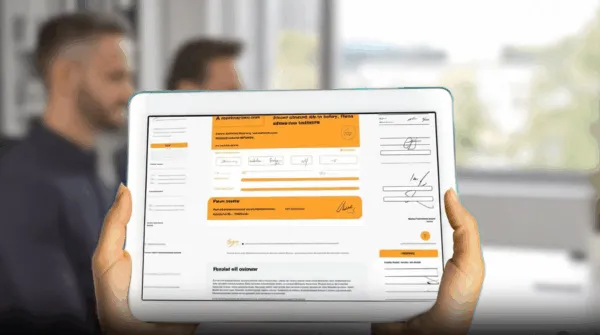
Why use INDUCT FOR WORK for your online induction strategy?
A strategy needs the right platform behind it.
Without an online system, induction strategy often becomes a set of documents, spreadsheets, emails and manual reminders.
INDUCT FOR WORK helps businesses turn strategy into a working process.
It helps you:
- create online induction pathways
- assign training by role or site
- invite workers before arrival
- add quizzes and pass marks
- collect forms online
- capture acknowledgements
- manage contractor documents
- support visitor workflows
- issue certificates
- track completion
- assign refresher training
- review reports
- keep records in one platform
This makes online induction easier to manage across employees, contractors, visitors, temporary workers and multiple sites.
From ad hoc induction to a clear online strategy
| Ad Hoc Induction Process | INDUCT FOR WORK Strategy |
|---|---|
| Everyone receives the same content | Training can be assigned by role or site |
| Records sit in folders and spreadsheets | Records can stay in one platform |
| Contractors are briefed on arrival | Contractors can complete induction before arriving |
| Visitors receive inconsistent information | Short visitor pathways can be created |
| Forms are collected manually | Forms can be completed online |
| Acknowledgements are hard to prove | Acknowledgements can be captured digitally |
| Refresher training is forgotten | Updated modules can be assigned |
| Managers chase completion manually | Reports show who needs follow-up |
| Content becomes outdated | Reviews can update modules more easily |
| Strategy depends on memory | Workflows make the process repeatable |
This gives businesses a more dependable way to manage induction from planning through to completion.
Best practice tips for online induction strategy
A good online induction strategy should be practical, role-based and easy to review.
Start with user groups
Do not start by uploading every policy. Start by deciding who needs induction and what they need.
Keep modules short
Shorter modules are easier to complete, easier to update and easier to understand.
Use role-based pathways
Employees, contractors and visitors should not all receive the same content.
Use quizzes carefully
Quizzes should test important knowledge, not trick users.
Collect only necessary forms
Forms should support the induction process, not create extra administration.
Track completion before arrival
Where possible, workers and contractors should complete induction before they attend site.
Review data regularly
Completion rates, failed questions and user feedback can show where the strategy needs improvement.
Keep records together
Training, certificates, forms and acknowledgements should be easy to find later.
Start building a better online induction strategy
An online induction strategy gives your business a clearer way to plan, deliver and manage induction training.
It helps you decide who needs training, what content they need, which forms must be collected, when refresher training is required and how records should be reviewed.
INDUCT FOR WORK helps businesses turn that strategy into a practical online process with training pathways, quizzes, forms, acknowledgements, certificates, reporting and records.
Whether you manage employees, contractors, visitors, seasonal workers or multiple sites, INDUCT FOR WORK can help you build a more organised induction process.
Give your business a better way to plan induction before training begins.
Frequently asked questions
An online induction strategy is the plan behind your digital induction process. It explains who needs induction, what content each group receives, how completion is tracked and how records are managed.
A strategy helps prevent generic training, missing records, duplicated content and poor follow-up. It also helps businesses assign the right training to the right people.
Yes. Contractors often need site rules, document uploads, acknowledgements and completion checks before arriving.
Yes. Visitors often only need short safety information, host details, emergency procedures and an acknowledgement.
It should include user groups, content pathways, forms, acknowledgements, quizzes, completion rules, refresher training, reporting and record keeping.
Yes. INDUCT FOR WORK helps businesses create induction pathways, assign training, collect forms, capture acknowledgements, issue certificates, track completion and keep records online.
Author: Anna Milova
Published: 04/07/2024
Last edited: 05/05/2026