Questions New Employees Would Love to See Answered in Their Induction Kit
A good induction kit should answer the questions new employees are already asking in their heads.
Some questions are formal. What are the safety rules? Which policies do I need to read? Who approves my timesheet? How do I report a hazard?
Other questions are more personal and practical. Where do I go on the first morning? Will someone know I am arriving? Where can I make coffee? Is it okay to ask questions during the day? What should I do if I feel lost after the first week?
These questions matter because they shape the new employee’s first impression of the workplace.
An induction kit that only contains policies, forms and login instructions may technically cover the basics. However, it may still leave the person feeling uncertain. A better induction kit gives the new starter a useful map of the workplace, the people, the routines and the expectations.
A structured online induction can help businesses present this information clearly, collect acknowledgements and keep records in one place. The best result comes when formal compliance information and practical human information work together.
What should an induction kit actually do?
An induction kit should help a new employee feel prepared, informed and supported.
It should not be a random folder of documents. It should guide the person through the early questions that affect confidence, safety and belonging.
A useful induction kit explains:
- arrival details for the first day
- key people and support contacts
- safety and emergency information
- workplace routines and communication channels
- required documents, forms and acknowledgements
- role expectations and early priorities
- access to systems, tools and equipment
- leave, payroll and roster basics
- respectful behaviour and conduct standards
- where to find information later
The aim is not to answer every possible question. Instead, the kit should remove the confusion that commonly appears during the first few days.
For a broader view of the full employee journey, onboarding can explain how induction fits into the longer process of helping a worker settle, learn and perform.
“Where do I go on the first day?”
This is one of the simplest questions, but it is also one of the most important.
A new employee should not arrive at the building, site, office, campus or warehouse wondering which entrance to use or who knows they are coming.
The induction kit should explain the first morning clearly.
Include the address, arrival time, parking instructions, reception process, gate entry details, public transport notes, site access rules and the name of the person who will meet them.
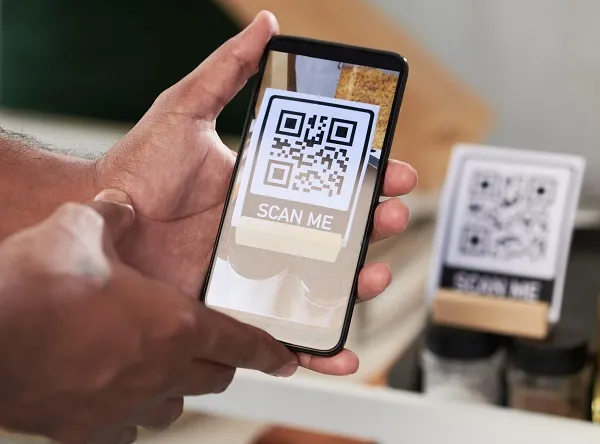
For larger workplaces, add a simple map or photo of the entrance. For sites with security, explain whether the worker needs a temporary pass, QR code, visitor badge or supervisor escort.
A clear arrival section prevents awkward first impressions. It also helps reception, security or site teams prepare properly.
For businesses that want to improve the wider pre-start process, this guide on how to prepare for a new worker’s arrival can support the internal checklist.
“Who are the people I need to know?”
New employees often hear many names during the first few days and forget half of them.
That is normal.
An induction kit should include a simple people guide. This does not need to be a full organisation chart. It should focus on the people the new starter is most likely to contact.
Useful details may include the direct manager, team leader, buddy, payroll contact, HR contact, safety representative, IT support, reception contact and site supervisor.
It may also help to explain what each person can help with.
For example, the employee should know who to ask about a roster problem, who handles system access, where payroll questions go and who receives safety concerns.
This reduces hesitation. People are more likely to ask early questions when they know who to approach.
“What will my first day look like?”
A first-day schedule can make a new employee feel much more comfortable.
The schedule does not need to be rigid. It simply gives the person a sense of what to expect.
A practical first-day outline may include arrival, welcome, introductions, induction completion, workplace tour, equipment handover, lunch arrangements, role briefing and end-of-day check-in.
This small amount of structure prevents the new starter from feeling like they are being passed around without a plan.
It also helps managers. When the day is planned, fewer details are missed.
The schedule should also leave space for questions. Starting a new role involves a lot of information, and people need time to absorb it.
“What should I bring or prepare?”
An induction kit should tell the employee what they need before they arrive.
This might include identification, licences, certificates, bank or tax information, safety footwear, uniform items, lunch, notebook, laptop, phone, tools or completed forms.
Be specific.
If the employee needs protective footwear, say what type. If they need to bring licence evidence, explain which licence and how to upload it. When a uniform will be supplied, tell them whether they should still wear particular clothing on day one.
This question is especially important for site-based, mobile, remote, seasonal or shift workers. They may not have easy access to support once the workday starts.
Digital e-signatures and document uploads can make this step easier because the business can collect important information before the first shift.

“How do I get paid, rostered and approved for leave?”
New employees often want to understand practical employment basics, but they may feel awkward asking too many administrative questions.
The induction kit should explain the basics clearly.
Cover pay cycles, timesheet rules, roster access, clock-in requirements, leave requests, absence notification, public holiday arrangements and who to contact if something looks wrong.
This does not mean the kit should become a payroll manual. It should simply show the employee where the correct process lives.
Leave is a good example. A new starter should know how to request leave, who approves it, what notice may be needed and where to find more detailed policy information. For extra guidance, businesses can refer employees to a plain-language guide on what types of leave are there.
When administrative questions are answered early, the employee can focus more attention on learning the role.
“Which systems do I use?”
System access can become frustrating when no one explains the basics.
A new employee may receive several usernames, passwords, apps or links without understanding what each one is for.
The induction kit should include a simple systems guide. It may explain email, rostering software, payroll tools, learning systems, document storage, project platforms, communication apps, site access tools and support channels.
Useful system information may include:
- login links and access instructions
- password reset process
- where to find training modules
- how to submit forms
- approved app for workplace messages
- policy storage location
- technical support contact
Keep security in mind. The induction kit should never expose passwords in an unsafe way. It should explain how access is provided and what the employee must do if a device, account or password is lost.
“What are the safety rules I need before I start work?”
Safety information belongs in every induction kit.
The employee should understand emergency procedures, hazard reporting, incident reporting, first aid contacts, personal protective equipment, restricted areas and any role-specific safety instructions.
This does not need to be written in frightening language. It should be practical, clear and relevant to the work.
For example, an office employee may need to understand evacuation procedures, ergonomic setup, visitor access and incident reporting. Warehouse teams may need traffic management, manual handling, PPE and equipment rules. Healthcare staff may need infection control, privacy and emergency response information.
A broader workplace health and safety resource can help explain why safety communication should be part of normal work, not an afterthought.
Using online training can also help businesses test understanding with short quizzes instead of relying only on policy reading.
“How does communication work here?”
Every workplace has communication habits that are obvious to existing staff but unclear to new people.
The induction kit should explain how communication works day to day.
This may include team meetings, email expectations, messaging apps, noticeboards, shift handovers, toolbox talks, supervisor briefings, escalation pathways and emergency communication.
It should also explain communication etiquette.
For example, should urgent matters be raised by phone rather than email? Are messages outside work hours expected or discouraged? Where are formal announcements posted? Who should be copied into client messages?
This section helps the new employee avoid unnecessary mistakes.
A clear communication guide also supports respectful workplace behaviour. It reduces assumptions and gives people confidence about how to ask for help.
“What behaviour is expected here?”
New employees should not have to guess what respectful behaviour looks like in the business.
The induction kit should explain conduct standards in plain language. This may include respect, inclusion, confidentiality, customer interaction, appropriate language, workplace conflict, reporting concerns and use of social media.
A good conduct section should be practical rather than preachy.
It can explain that the business expects people to communicate respectfully, raise issues early, avoid gossip, protect confidential information and treat colleagues, customers, contractors and visitors professionally.
For more serious behaviour topics, links to workplace bullying and social media policy guidance can help employees understand common risks.
The goal is not to overwhelm the new starter. It is to make standards clear before a problem occurs.
“Where do I find documents later?”
A new employee may receive many documents during the first week.
They may not remember where everything is stored.
The induction kit should tell them where to find policies, forms, procedures, certificates, training records, handbooks, rosters, contacts and support information after the first day.
This is important because a document is only useful if the employee can find it again.
A central document registry can help businesses keep workplace documents organised. Good record keeping also helps managers show which information was issued, acknowledged and completed.
The employee-facing message should be simple: “Here is where you go when you need the latest version.”

“How will I know whether I am doing well?”
New employees often want feedback, but they may not ask for it directly.
An induction kit can reduce uncertainty by explaining how early feedback works.
This may include first-week check-ins, probation meetings, performance goals, training milestones, manager conversations and opportunities to ask questions.
Be clear about what success looks like during the first few weeks.
For example, the employee may need to complete training, learn a system, shadow another worker, handle basic tasks, follow safety procedures or understand the team rhythm.
This is not about pressure. It is about clarity.
A person who understands early expectations can focus their effort more confidently.
“What should I do if I feel stuck?”
Every new employee feels stuck at some point.
The induction kit should make it normal to ask for help.
Explain what the employee should do if they cannot access a system, do not understand an instruction, feel unsafe, make a mistake, need extra training or have a concern about workplace behaviour.
A useful support pathway may include the manager, buddy, HR contact, safety representative, IT support and confidential reporting channel where applicable.
This section is one of the most human parts of the induction kit. It tells the employee that the business expects questions and has a process for answering them.
Where incidents, hazards or concerns need to be recorded, incident reporting gives businesses a more structured way to manage follow-up.
“What makes this workplace different?”
The induction kit should also help the employee understand the character of the workplace.
This is not about marketing slogans. It is about useful cultural information.
For example, the kit may explain how the business treats customers, how teams work together, what managers value, how decisions are made, how safety is discussed and what kind of behaviour earns trust.
This can include informal information too.
Coffee spots, lunch options, parking tips, Friday routines, team traditions and nearby services may seem small, but they help the new starter feel part of the workplace sooner.
The original version of this page focused heavily on those informal questions. They still matter. The improvement is to combine them with practical onboarding, safety and policy information so the induction kit feels complete.
Common mistakes in induction kits
Many induction kits fail because they are written from the employer’s perspective only.
They include what the business wants to issue, but not what the employee needs to understand.
Common mistakes include:
- giving too many documents without context
- hiding practical information in long policies
- forgetting arrival and first-day details
- leaving out names and support contacts
- using internal jargon new employees do not understand
- failing to explain where documents are stored
- providing safety information that is too generic
- ignoring informal questions that affect comfort
- treating the induction kit as a one-time handout
- keeping no record of acknowledgements or completion
The best induction kits are practical, organised and easy to revisit.
They answer real questions and guide the new employee through the first stage of work.
How Induct For Work helps create better induction kits
Induct For Work helps businesses move induction kits from scattered documents into a structured online process.
The platform can be used to deliver welcome information, safety instructions, policy documents, quizzes, forms, e-signatures, certificates and employee acknowledgements.
Businesses can use Induct For Work to:
- create online induction pathways
- send invitations by email or SMS
- upload policies, videos and documents
- collect required forms and files
- request digital acknowledgements
- include quizzes to check understanding
- issue certificates of completion
- track incomplete or overdue users
- manage refresher training
- review completion reports
- keep induction records organised
For businesses with existing handbooks, forms or training content, rapid induction setup can help turn that material into a clearer digital induction kit.
A reporting process also helps managers see who has completed each step, while message broadcast can support quick updates when information changes.
Start building induction kits around real questions
New employees do not only need policies.
They need answers.
They want to know where to go, who to speak to, what to bring, how systems work, where documents live, which safety rules matter, how communication happens and what to do if they feel unsure.
A strong induction kit answers those questions before confusion builds.
Induct For Work gives businesses a practical way to deliver induction information online, collect acknowledgements, test understanding and keep records organised.
Start your 14-day free trial and see how Induct For Work can help your business create clearer induction kits with less manual administration and a better new starter experience.
Frequently asked questions
An induction kit is a collection of information, documents, forms and instructions that helps a new employee understand the workplace, their role, safety requirements, policies and support contacts.
An induction kit should answer employee questions because new starters often feel unsure during the first few days. Clear answers reduce confusion and help people settle faster.
A new employee induction kit should include arrival details, key contacts, safety information, policies, forms, system access instructions, role expectations, communication channels and support pathways.
Yes. Informal tips such as coffee options, lunch areas, parking advice and team routines can help new employees feel more comfortable and included.
Yes. An induction kit can be delivered online using videos, documents, forms, quizzes, e-signatures, certificates and completion tracking.
An induction kit supports safety by explaining hazards, emergency procedures, PPE, incident reporting, first aid contacts and role-specific safety expectations.
Yes. Induct For Work can help businesses create online induction kits, collect documents, request acknowledgements, use quizzes, issue certificates and track completion.
Do you have any questions or great tips to share?
Induct for Work – the only online induction system you would need to run online inductions.
Start a free trial or book a demo to see how INDUCT FOR WORK can support your workplace processes.
Author: Anna Milova
Published: 21/03/2017
Updated: 18/06/2026