
Waste Management Online Induction for Safer and Better Managed Sites
Waste management sites are active, high-movement workplaces.
A single facility may handle trucks, loaders, compactors, forklifts, public drop-off areas, recycling operations, hazardous waste zones, weighbridges, contractors, visitors and employees working across different areas.
Because of this, a waste management online induction needs to do more than welcome people to the site.
It should explain where people can go, which hazards they may encounter, what PPE they must wear, how vehicles move, what to do in an emergency and how to report hazards, incidents or unsafe conditions.
INDUCT FOR WORK helps waste management organisations deliver online inductions, collect acknowledgements, manage contractor documents, support visitor workflows, issue certificates, capture incident reports and keep records in one platform.
A structured induction process also supports a stronger safety culture because workers, contractors and visitors receive consistent site information before they begin work or enter operational areas. In addition, rapid induction setup can help waste facilities turn existing site rules, videos, PDFs, checklists and procedures into online induction content sooner.
What is a waste management online induction?
A waste management online induction is a digital training process used to prepare people before they work at or enter a waste-related site.
It may apply to:
- waste facility employees
- transfer station workers
- recycling centre workers
- landfill workers
- truck drivers
- plant operators
- weighbridge staff
- maintenance contractors
- cleaning contractors
- electricians
- visitors
- council workers
- delivery drivers
- temporary workers
- labour hire workers
- public-facing site staff
The induction may explain:
- site entry rules
- sign-in and sign-out requirements
- traffic management
- pedestrian walkways
- plant and vehicle movement
- PPE requirements
- restricted areas
- emergency procedures
- hazardous waste rules
- manual handling expectations
- fire prevention
- incident and hazard reporting
- contractor document requirements
- visitor rules
- environmental responsibilities
The aim is simple. People should understand the site rules before they begin work, move around the facility or enter an operational area.

Why waste management inductions matter
Waste facilities can change quickly during the day.
Trucks arrive. Loads are tipped. Plant moves through the site. Waste types change. Contractors come in for maintenance. Members of the public may enter drop-off areas. Weather can affect visibility, ground conditions, odour, dust and site access.
Because of this, a short verbal briefing is rarely enough.
A waste management induction helps organisations:
- deliver consistent site rules
- explain traffic and pedestrian controls
- prepare contractors before arrival
- reduce repeated manual briefings
- collect acknowledgements
- support visitor safety
- explain emergency procedures
- reinforce PPE requirements
- improve hazard reporting
- keep completion records
- manage refresher training
- update workers when site rules change
As a result, induction becomes part of safe site access and daily site control. For more detail on how structured induction can reduce everyday site risks, see our article on how online inductions reduce site risks.
Where waste management online induction has the biggest impact
Waste management online induction is especially useful where people, vehicles, equipment and waste streams interact.
This may include:
- transfer stations
- recycling centres
- landfill sites
- materials recovery facilities
- organics processing sites
- composting facilities
- waste depots
- council waste facilities
- commercial waste yards
- hazardous waste collection points
- e-waste handling areas
- public drop-off sites
- truck loading areas
- weighbridge operations
- sorting areas
- maintenance workshops
In these environments, different users need different information.
For example, a plant operator needs more detailed information about traffic flow and equipment rules. A contractor may need site access instructions, permits and isolation rules. A visitor may need only a short induction explaining where they can go, what PPE is required and who they must stay with.
Therefore, online induction should allow different pathways for different user groups.
Why waste site inductions often become difficult to manage
Waste sites often rely on fast decisions and constant movement.
That can make induction hard to control if the process depends on paper forms, one-off conversations and busy supervisors.
INDUCT FOR WORK helps waste facilities bring induction into a more repeatable online workflow.
It can help when:
- contractors arrive before completing site induction
- workers receive different messages from different supervisors
- truck drivers are unsure about traffic flow
- visitors do not understand restricted areas
- PPE rules are explained verbally but not recorded
- incident reports are handled informally
- paper sign-off forms are hard to find
- site rules change but old documents stay in circulation
- maintenance contractors need specific access instructions
- hazardous waste procedures are not explained clearly
- managers cannot confirm who completed induction
- refresher training is forgotten after layout or process changes
With online induction and records, site managers can deliver consistent information and check completion more easily.
Waste management online induction vs general workplace induction
Waste management induction and general workplace induction are connected, but they are not the same.
A general induction may explain company policies, emergency procedures and broad safety expectations.
A waste management induction should focus on the hazards and controls specific to waste sites.
| Waste Management Online Induction | General Workplace Induction |
|---|---|
| Focuses on waste site hazards | Covers broad workplace expectations |
| Explains vehicle and plant movement | Explains general safety responsibilities |
| Covers waste handling rules | Covers general policies and procedures |
| Includes public drop-off and restricted zones | May not include operational site rules |
| Supports contractor and visitor pathways | May be mainly employee-focused |
| Records site-specific completion | Records general induction completion |
For broader site induction planning, see our online inductions reduce site risks art
Traffic management and vehicle movement
Traffic movement is one of the most important topics in a waste management induction.
Waste facilities may have:
- trucks
- public vehicles
- loaders
- forklifts
- compactors
- excavators
- sweepers
- utes
- delivery vehicles
- trailers
- pedestrians
A waste site induction should explain:
- site speed limits
- entry and exit points
- one-way routes
- pedestrian walkways
- reversing rules
- loading and unloading areas
- exclusion zones
- weighbridge instructions
- public drop-off areas
- parking rules
- communication with plant operators
- high-risk traffic zones
Vehicle and pedestrian separation should be explained clearly because new workers, contractors and visitors may not understand the site layout.
In addition, traffic routes may change when site works, maintenance or unusual loads occur.
Plant, machinery and equipment safety
Waste sites often use plant and machinery that can cause serious injuries if people enter the wrong area or ignore exclusion zones.
This may include:
- compactors
- balers
- conveyors
- loaders
- forklifts
- excavators
- shredders
- crushers
- screens
- sweepers
- lifting equipment
- trucks
- skip handling equipment
Induction should explain:
- authorised operators only
- exclusion zones
- pre-start checks
- reversing alarms
- communication rules
- isolation requirements
- defect reporting
- no standing near moving plant
- lockout rules for maintenance
- emergency stop procedures
- guarding and pinch point risks
For machinery-related safety, see our machine safety and guarding article.
That supporting article is relevant because waste facilities often use machinery, conveyors, compactors and plant that require guarding, isolation and safe operating rules.
Hazardous waste and unknown materials
Waste management work can involve unknown, mixed or hazardous materials.
Workers may encounter:
- chemicals
- asbestos-containing materials
- sharps
- batteries
- gas cylinders
- e-waste
- contaminated soil
- biological waste
- oils and fuels
- paint
- solvents
- pressurised containers
- flammable materials
- dusty loads
- animal waste
- medical waste where applicable
A waste management induction should explain what workers should do when they see an unknown or prohibited material.
Training may include:
- do not touch unknown materials
- report suspicious waste immediately
- follow quarantine procedures
- use correct PPE
- isolate the area if required
- follow spill response steps
- do not mix incompatible materials
- follow site acceptance rules
- ask a supervisor before handling uncertain loads
This is especially important for public-facing waste facilities where customers may bring materials that do not belong at the site.
Waste facilities also share many broader site hazards, including traffic movement, poor housekeeping, electrical risks, chemicals and restricted work areas. For a wider safety overview, see our guide to 7 common workplace safety hazards.

PPE requirements for waste management sites
Waste sites usually require clear PPE rules.
Depending on the site and task, PPE may include:
- high-visibility clothing
- safety boots
- gloves
- eye protection
- hard hats
- hearing protection
- respiratory protection
- protective coveralls
- cut-resistant gloves
- sun protection
- task-specific PPE
A waste management induction should explain which PPE is mandatory for different areas.
For example, a visitor pathway may require high-visibility clothing and enclosed footwear, while a worker handling specific waste streams may need additional gloves, eye protection or respiratory protection.
PPE rules should be clear before people arrive so they do not enter the site unprepared.
Fire, batteries and hot loads
Fire is a serious concern in waste management.
Waste loads may contain batteries, gas cylinders, chemicals, hot ashes, flammable liquids or materials that can ignite under pressure or heat.
Lithium batteries and e-waste can create particular concerns when damaged, compacted or mixed with general waste streams.
A waste management induction may explain:
- fire prevention rules
- smoking restrictions
- hot load procedures
- battery handling rules
- gas cylinder procedures
- fire extinguisher locations
- emergency contacts
- evacuation process
- reporting smoke, heat or unusual odours
- separating high-risk materials
- what to do during a fire alarm
Workers and contractors should know that fire risks must be reported early.
A small sign of smoke or heat may become serious quickly in a waste environment.
Dust, odour, noise and environmental controls
Waste management sites may expose workers to dust, odour, noise and environmental hazards.
Induction should explain:
- dust control measures
- odour reporting
- noise areas
- hearing protection requirements
- stormwater controls
- spill response
- litter control
- pest concerns
- waterway protection
- environmental incident reporting
- handling of contaminated loads
Environmental responsibilities matter because waste sites often operate under strict conditions.
Workers should understand that environmental incidents, spills, unusual odours or material escapes should be reported promptly.
Manual handling and repetitive tasks
Waste management work often includes lifting, pushing, pulling, sorting, dragging, carrying and repetitive movements.
Workers may handle bins, bags, tools, hoses, equipment, materials and waste items.
Manual handling risks may increase when:
- loads are awkward
- items are heavy
- bags contain unknown contents
- workers twist while lifting
- floors are uneven
- tasks are repetitive
- workers rush during busy periods
- mechanical aids are not used
- waste items have sharp edges
For more detail, see our manual handling online induction article.
That article is relevant because waste work often involves lifting, carrying, pushing, pulling and repetitive physical tasks.
Contractor induction for waste management sites
Contractors often perform maintenance, repairs, cleaning, electrical work, equipment servicing, civil works or specialised tasks at waste facilities.
A contractor induction can explain site-specific requirements before they begin.
Contractor induction may include:
- sign-in rules
- site access
- restricted areas
- traffic management
- PPE requirements
- permit requirements
- isolation rules
- SWMS requirements
- emergency procedures
- plant movement rules
- hazardous material instructions
- incident reporting
- document upload requirements
- supervisor contact details
Contractors may be skilled in their own work, but they still need to understand the waste facility’s layout, traffic rules, plant movement and emergency procedures.
As a result, contractor induction should happen before the contractor starts work.
Visitor induction for public-facing waste facilities
Some waste facilities include public drop-off areas or visitor access.
Visitors may include:
- customers
- council staff
- auditors
- consultants
- inspectors
- delivery drivers
- community visitors
- school or education groups
- suppliers
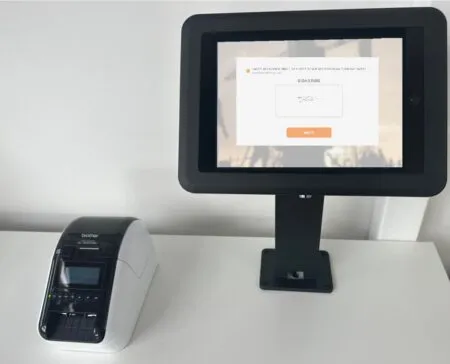
When connected with visitor management, a short induction can help explain:
- where visitors can go
- who they must report to
- PPE requirements
- vehicle rules
- restricted areas
- emergency procedures
- public drop-off instructions
- photography rules
- incident reporting
- sign-out requirements
Visitor information should stay short and practical.
The goal is to give visitors enough information to move safely without overloading them with worker-level training.
Reporting hazards, incidents and near misses
Waste sites need early reporting because hazards can change quickly.
Workers and contractors should report:
- spills
- fires or smoke
- unknown materials
- sharps
- chemical exposure
- damaged plant
- traffic near misses
- blocked walkways
- poor housekeeping
- PPE concerns
- public safety concerns
- environmental incidents
- odour concerns
- dust concerns
- unsafe loads
- injuries
- near misses
INDUCT FOR WORK supports incident reporting so waste management businesses can capture hazards, incidents and near misses online.
This helps managers review issues, assign actions and keep a clearer record of what happened.
For example, repeated near misses near a weighbridge may show that traffic flow, signage or pedestrian access needs review.
Forms, acknowledgements and waste site records
Waste management induction often needs supporting forms and acknowledgements.
These may include:
- site safety declarations
- PPE acknowledgements
- contractor declarations
- visitor forms
- hazardous waste acknowledgements
- traffic management acknowledgements
- emergency contact details
- licence uploads
- insurance documents
- SWMS submissions
- environmental incident forms
- equipment checklists
- training confirmations
With custom forms and digital signatures, waste facilities can collect information and acknowledgements online.
As a result, records become easier to connect to the person, contractor company, site or task.
Record keeping and reporting for waste management induction
Waste management sites need clear records.
Managers may need to check:
- who completed induction
- when induction was completed
- which course was completed
- which contractor uploaded documents
- which visitor completed a short induction
- which acknowledgements were signed
- which forms were submitted
- which incidents or hazards were reported
- which workers need refresher training
- which certificates were issued
INDUCT FOR WORK helps improve record keeping by keeping training records, forms, certificates and acknowledgements online.
In addition, reporting helps managers review completion status and follow up where needed.
This is much easier than searching through paper sign-in books, folders, emails or spreadsheets.
Why use INDUCT FOR WORK for waste management induction?
Waste management sites can be difficult to manage when induction relies on paper forms, one-off briefings and scattered records.
Workers start at different times. Contractors arrive for urgent maintenance. Visitors need quick instructions. Public-facing areas may change through the day. Site rules may need updating after incidents, layout changes or process changes.
INDUCT FOR WORK gives waste management organisations a more organised way to manage induction and records.
It helps businesses:
- deliver site induction online
- assign training by role or site
- invite users before arrival
- create contractor pathways
- support visitor workflows
- collect forms online
- capture acknowledgements
- manage document uploads
- support incident reporting
- issue certificates
- track completion
- assign refresher training
- keep records in one platform
This does not replace supervision, physical controls, traffic management or competent safety advice. Instead, it supports those controls by making communication and records easier to manage.
From paper sign-offs to clearer waste site induction records
| Manual Waste Site Induction Process | INDUCT FOR WORK |
|---|---|
| Workers sign paper forms on arrival | Induction can be completed online |
| Contractors receive site rules verbally | Contractors can complete induction before work starts |
| Visitor instructions are inconsistent | Short visitor pathways can be created |
| PPE rules are hard to prove | Acknowledgements can be captured digitally |
| Hazardous material rules sit in folders | Training can explain key requirements |
| Incidents are reported informally | Reports can be submitted online |
| Records sit across folders and emails | Records can stay in one platform |
| Refresher training is easy to forget | Updated training can be assigned |
| Managers chase documents manually | Reports show what is missing |
| Site changes are hard to communicate | Updated modules can be issued |
Best practice tips for waste management online induction
A good waste management induction should be practical, site-specific and easy to update.
Use site-specific examples
Include real site maps, traffic routes, PPE rules and restricted areas.
Create separate pathways
Workers, contractors and visitors usually need different levels of training.
Explain traffic movement clearly
Vehicle and plant movement should be one of the clearest parts of the induction.
Include hazardous waste rules
Workers should know how to report unknown, prohibited or dangerous materials.
Keep visitor pathways short
Visitors need enough safety information without being sent through full worker training.
Track completion before site access
Where possible, workers and contractors should complete induction before arriving.
Update content after changes
Review induction content after layout changes, incidents, new equipment or new waste streams.
Keep records together
Training, forms, documents, incident reports and certificates should be easy to find later.
Start improving waste management induction and records
Waste management sites need clear training, organised contractor records, practical visitor instructions and reliable proof that important site information was delivered.
INDUCT FOR WORK helps waste management organisations deliver online induction, collect forms, manage contractor documents, support visitor workflows, capture incident reports, issue certificates and keep records in one platform.
Whether your site operates a transfer station, recycling centre, landfill, depot, processing facility or public drop-off area, INDUCT FOR WORK can help prepare people before they enter operational areas.
Give workers, contractors and visitors a clearer way to understand waste site rules before they arrive.
Frequently asked questions
A waste management online induction is digital training that prepares workers, contractors and visitors before they enter or work at a waste facility, transfer station, recycling centre, landfill or depot.
Employees, contractors, truck drivers, plant operators, visitors, council workers, delivery drivers, labour hire staff and temporary workers may need induction depending on their role and site access.
It should include site access, traffic movement, PPE rules, plant safety, hazardous waste instructions, emergency procedures, environmental responsibilities, incident reporting and site-specific rules.
Yes. Contractors can complete induction online before arriving, depending on how the facility has set up its process.
Yes. Visitors can complete a shorter induction covering entry rules, PPE, restricted areas, emergency instructions and host details.
Yes. INDUCT FOR WORK helps waste facilities manage training records, contractor documents, forms, acknowledgements, incident reports, certificates and completion records online.
Author: Anna Milova
Published: 13/05/2024
Last updated: 07/05/2026