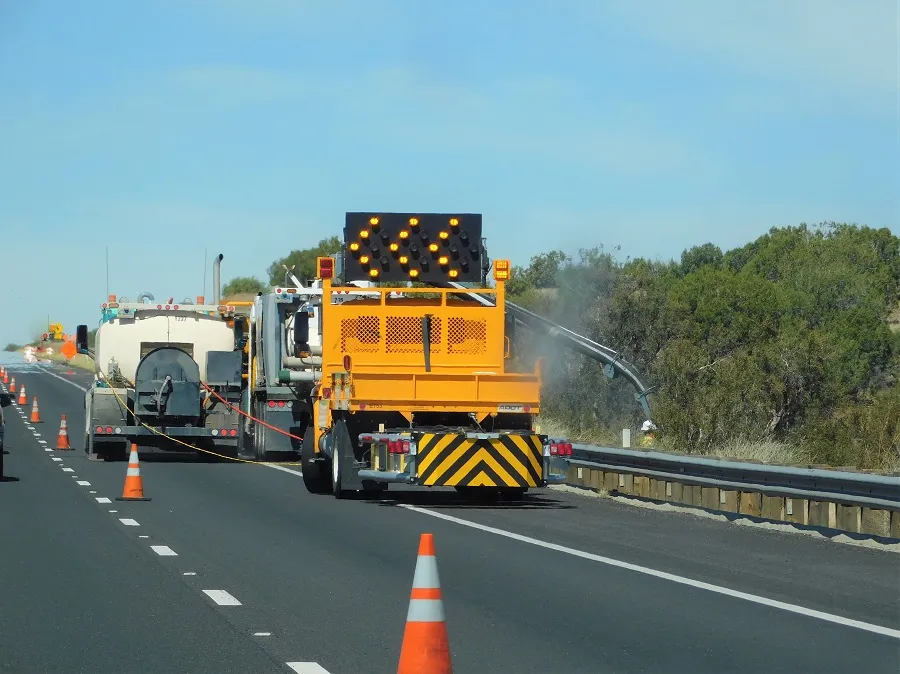
Road Traffic Controller Safety Training for Safer Work Around Live Traffic
Road traffic control is serious work.
Traffic controllers often work close to moving vehicles, impatient drivers, heavy plant, poor weather, night works, road crews, pedestrians and constantly changing site conditions.
A mistake can have severe consequences.
That is why road traffic controller safety training must never be treated as a quick formality. Workers need formal training where required, site-specific induction, clear procedures, correct PPE, good communication and proper records before they begin work around live traffic.
INDUCT FOR WORK helps businesses deliver site-specific awareness through online induction, collect acknowledgements, manage forms, support incident reporting and keep records in one platform.
A clear training and records process also supports a stronger safety culture because workers understand the danger before they enter the work zone. In addition, rapid induction setup can help businesses turn existing traffic management procedures, site maps, safe work instructions and checklists into online induction content sooner.
Road traffic control requires formal training where the law requires it
Road traffic controller work often requires formal training, certification or approved cards depending on the state, road authority and work type.
INDUCT FOR WORK does not replace accredited traffic controller training, traffic management certification or any licence, card or authority required by law.
For example, SafeWork NSW states that a PCBU must ensure a worker holds a SafeWork NSW Traffic Control Work Training card and that a business may face penalties if it directs a worker to do traffic control work without required certification.
Victoria has also moved to the Temporary Traffic Management National Training Framework. The new Traffic Controller and Traffic Management Implementer training became mandatory in Victoria on 1 March 2024 and new Traffic Management Design training became mandatory on 10 July 2024.
Austroads describes the Temporary Traffic Management National Training Framework as a nationally harmonised approach aligned with accredited skill sets, Austroads Guides, Australian Standards and jurisdictional requirements.
The practical message is clear: formal traffic control training and site-specific induction should work together. Formal training helps workers gain required competency. Site-specific induction explains the actual worksite, access rules, hazards, reporting steps and local procedures.
What is road traffic controller safety training?
Road traffic controller safety training prepares workers to understand the risks and responsibilities involved in controlling or working around traffic.
It may cover:
- live traffic risks
- stop/slow control procedures
- road user behaviour
- traffic management plans
- worksite signs
- communication rules
- escape paths
- PPE requirements
- weather exposure
- fatigue management
- plant and vehicle movement
- pedestrian safety
- emergency response
- incident and hazard reporting
- site-specific instructions
Formal accredited training teaches the required technical skills and legal knowledge for traffic control work.
A site-specific induction adds the local information that workers need for the job they are about to perform.
That may include the road layout, work zone boundaries, crew contacts, site access points, public interfaces, nearby hazards, emergency contacts, shift rules and reporting process.
Why road traffic controller safety training matters
Road traffic controllers work in one of the most exposed environments on a worksite.
They may stand near live traffic for long periods. Drivers may ignore signs. Heavy vehicles may pass close by. Weather may reduce visibility. Night works may increase fatigue and distraction. Road layouts may change during a shift.
Safety training helps workers understand:
- where to stand
- how to keep an escape path
- when to stop work
- how to communicate with other controllers
- how to manage impatient or confused road users
- when to escalate a hazard
- how to report incidents and near misses
- what PPE applies
- who controls the worksite
- what the traffic management plan requires
Without clear training and instructions, workers may rely on habit, assumption or pressure from others.
That is not good enough around live traffic.

Who this is for
Road crews, contractors and businesses that cannot afford confusion near traffic
This page is useful for:
- traffic control companies
- construction businesses
- civil contractors
- road maintenance crews
- councils
- utility contractors
- event traffic teams
- infrastructure contractors
- rail and transport projects
- telecommunications crews
- vegetation management teams
- line marking contractors
- asphalt crews
- excavation contractors
- delivery and logistics sites
- temporary traffic management providers
It also helps supervisors, safety managers, project managers, site administrators and contractor coordinators who need better records of worker training, site-specific induction, acknowledgements and incident reports.
Why traffic controller safety processes often break down
Traffic control work can change quickly.
A planned road closure may change because of weather. A driver may ignore signs. A work crew may move further down the road. Equipment may fail. A traffic controller may arrive at a site they have never seen before.
INDUCT FOR WORK helps businesses create a more repeatable site-specific training and records process.
It can help when:
- workers receive site rules verbally
- contractors arrive without local instructions
- traffic management plans sit in PDFs
- site maps do not reach every worker
- incident reports rely on phone calls
- near misses go unrecorded
- PPE instructions vary between supervisors
- workers miss updates after layout changes
- records sit across emails and folders
- managers cannot confirm who completed induction
- refresher training gets missed
Road traffic control depends on discipline. Workers need the right information before they step into the work zone.
Road traffic controller safety training vs general workplace induction
Road traffic controller safety training and general workplace induction serve different purposes.
A general workplace induction explains broad safety rules, emergency procedures, hazard reporting and workplace expectations.
Road traffic controller safety training focuses on traffic movement, road users, work zones, signals, communication, signs, PPE and site-specific risks.
| Road Traffic Controller Safety Training | General Workplace Induction |
|---|---|
| Focuses on live traffic and road work | Covers broad workplace rules |
| Supports traffic control tasks | Supports general site readiness |
| Explains signs, communication and escape paths | Explains general safety expectations |
| May require formal certification | Usually supports site or company onboarding |
| Needs site-specific traffic information | Needs general workplace information |
For broader safety training, see our online safety induction article.
Live traffic is the central hazard
Live traffic creates constant risk.
A road traffic controller may face:
- speeding vehicles
- distracted drivers
- aggressive road users
- heavy vehicles
- poor visibility
- wet roads
- night works
- temporary lane changes
- narrow shoulders
- blind corners
- roadworks plant
- pedestrians and cyclists
- emergency vehicles
- unclear driver behaviour
Workers should understand that traffic control work can change from routine to dangerous very quickly.
Training should make this point plainly: a traffic controller must stay alert, keep a safe position and follow the approved traffic management arrangement.
Signs, signals and traffic management plans
Traffic control depends on clear signs and correct setup.
Workers should understand:
- what signs apply
- where signs belong
- how the traffic management plan works
- which lanes or routes remain open
- where pedestrians should move
- where plant and workers operate
- where traffic controllers stand
- how drivers receive warning before stopping
- when signs need checking
- who can change the setup
SafeWork NSW states that employers have a duty to ensure traffic is appropriately managed and that workers must hold the required Traffic Control Work Training card if they perform traffic control work.
A traffic controller should not be left guessing how the worksite operates.
For a broader guide to signs, see our safety symbols article.

Communication between traffic controllers and crews
Good communication can prevent serious incidents.
Traffic controllers may need to communicate with:
- other traffic controllers
- supervisors
- plant operators
- work crews
- delivery drivers
- emergency services
- pedestrians
- cyclists
- members of the public
- site managers
Training should explain:
- radio or phone use
- agreed call signs
- hand signals where relevant
- escalation words
- emergency communication
- shift handover
- who gives instructions
- how workers confirm a changed arrangement
- what to do if communication fails
A communication failure near live traffic can place workers and road users at risk.
For broader communication improvement, see our article on poor communication in the workplace.
Escape paths and worker positioning
Traffic controllers need to think constantly about where they stand.
A worker should have a clear escape path and should avoid standing where a vehicle could strike them if the driver fails to stop.
Site-specific training should explain:
- approved worker position
- escape path
- traffic approach direction
- blind spots
- lighting and visibility
- shoulder width
- nearby barriers
- vehicle turning paths
- safe movement around plant
- what to do if the area becomes unsafe
A traffic controller should never feel trapped between live traffic, barriers, plant or work vehicles.
PPE for traffic controllers
Traffic controller PPE helps workers remain visible and better protected.
Depending on the site and task, PPE may include:
- high-visibility clothing
- safety boots
- hard hat
- gloves
- eye protection
- hearing protection
- wet weather gear
- sun protection
- night-work reflective clothing
- respiratory protection where dust or fumes apply
PPE does not remove the hazard of live traffic. It helps support visibility and protection alongside stronger controls such as traffic management, signage, separation, supervision and safe positioning.
For more detail, see our PPE training article.
Fatigue, weather and exposure risks
Road traffic controllers may work long shifts in demanding conditions.
They may face:
- heat
- sun exposure
- cold
- rain
- wind
- poor visibility
- glare
- night work
- noise
- standing fatigue
- dehydration
- aggressive drivers
- repeated concentration demands
These conditions can affect attention and decision-making.
Training should explain rest breaks, hydration, weather controls, escalation steps and what to do when conditions become unsafe.
Strong wind also matters for temporary signs, barriers, cones and roadside equipment. For more detail, see our strong wind safety at work article.
Incident and near miss reporting for traffic control work
Traffic control near misses must not disappear into casual conversations.
Workers should report:
- vehicles failing to stop
- speeding through work zones
- aggressive driver behaviour
- near strikes
- sign failures
- cone or barrier movement
- poor visibility
- incorrect setup
- communication failures
- damaged equipment
- worker positioning issues
- pedestrian or cyclist concerns
- plant movement risks
- weather-related hazards
- injuries or property damage
INDUCT FOR WORK supports incident reporting so businesses can capture hazards, near misses and incidents online.
A near miss in traffic control is a warning. Managers should treat it as valuable information and review the controls before the same problem becomes a serious incident.
Traffic controller induction for contractors
Many road work projects involve contractors and subcontractors.
A contractor induction can help businesses explain site-specific requirements before workers arrive.
Contractor traffic control induction may include:
- site access rules
- traffic management plan location
- work zone boundaries
- supervisor contacts
- PPE requirements
- communication procedures
- emergency steps
- incident reporting
- document upload requirements
- licence or training card upload
- shift rules
- worker acknowledgements
Contractors may have formal traffic control training, but they still need the local worksite information.
A trained worker can still face serious risk if they do not understand the site layout, access restrictions or communication process.

Documents, licences and training cards
Businesses may need to collect and check traffic-control-related documents.
Depending on jurisdiction and work type, records may include:
- traffic control training cards
- licences
- units of competency
- construction induction cards
- site induction completion
- PPE acknowledgements
- emergency contact forms
- SWMS acknowledgements
- traffic management plan acknowledgements
- contractor declarations
- refresher training records
With custom forms and digital signatures, businesses can collect information and acknowledgements online.
This helps keep records connected to the worker, contractor, project or site.
How INDUCT FOR WORK supports traffic controller safety training
Traffic control teams often work across changing sites and shift patterns.
INDUCT FOR WORK includes features that help businesses reach mobile workers and keep records clearer.
SMS invitations can help businesses send induction links directly to mobile workers who may not sit at a desk.
Message broadcast can help managers send updates when site access, traffic arrangements, weather conditions or safety instructions change.
These features suit workers who move between worksites and need timely information before their shift begins.
Record keeping for road traffic controller safety training
Managers may need to confirm:
- who completed site induction
- when workers completed training
- which traffic control documents workers uploaded
- which contractors acknowledged site rules
- which forms workers submitted
- which near misses workers reported
- which certificates the system issued
- which users need refresher training
- which site updates workers received
INDUCT FOR WORK helps improve record keeping by keeping training records, forms, certificates, reports and acknowledgements online.
In addition, reporting helps managers review completion status and follow up where needed.
This gives businesses better visibility than paper forms, spreadsheets or email trails.
Why use INDUCT FOR WORK for road traffic controller safety training records?
Road traffic controller safety depends on more than formal certification.
Workers also need clear site-specific instructions, current information, reporting steps and records that supervisors can review.
INDUCT FOR WORK helps businesses:
- deliver site-specific awareness online
- assign training by role, site or project
- collect acknowledgements
- request traffic-control-related documents
- create forms and checklists
- support incident and near miss reporting
- issue certificates
- track completion
- send updates
- assign refresher training
- keep records in one platform
This does not replace formal traffic controller licensing, accredited training, traffic management planning or competent supervision. Instead, it supports the training communication and record-management side of road traffic controller safety.
From rushed roadside briefings to clearer traffic control records
| Weak Traffic Control Process | INDUCT FOR WORK |
|---|---|
| Workers receive site rules verbally | Workers can complete site-specific training online |
| Contractors bring documents by email | Contractors can upload documents online |
| Traffic plan acknowledgements sit on paper | The system can capture acknowledgements |
| Near misses stay in conversations | Workers can submit reports online |
| Weather updates reach people late | Managers can send message broadcasts |
| Mobile workers miss email invitations | Teams can send SMS invitations |
| Records sit across folders and spreadsheets | Teams can keep records in one platform |
| Refresher training gets missed | Administrators can assign updated training |
| Managers chase completion manually | Reports show who needs follow-up |
| Site changes create confusion | Managers can update induction content |
This gives businesses a more dependable way to manage traffic controller safety communication and records.
Best practice tips for road traffic controller safety training
Confirm formal training requirements
Check the state, road authority and project requirements before assigning traffic control duties.
Add site-specific induction
Formal training does not explain every local site hazard, work zone or communication rule.
Explain live traffic risk plainly
Workers should understand that road users may ignore signs, speed, become distracted or act aggressively.
Include escape paths
Traffic controllers need to know where to stand and how to move away from danger.
Train contractors before arrival
Contractors should receive site rules, document requests and reporting instructions before the shift.
Make near miss reporting simple
Near misses involving vehicles, signs, visibility or communication need fast reporting.
Send updates quickly
Traffic arrangements may change during the project, so workers need timely updates.
Keep records together
Training, documents, acknowledgements, reports and certificates should stay easy to find.
Start improving road traffic controller safety training records
oad traffic controller safety is a serious issue because workers operate close to live traffic, changing road conditions and public behaviour that they cannot fully control.
Formal training and legal certification matter. Site-specific induction, clear communication, reporting and records matter too.
INDUCT FOR WORK helps businesses deliver road traffic controller safety awareness online, collect acknowledgements, manage forms, support incident reporting, send updates and keep records in one platform.
Whether your organisation manages civil works, road maintenance, utilities, council works, events or contractor traffic control crews, INDUCT FOR WORK can help communicate site-specific requirements more clearly.
Give workers and contractors a better way to understand traffic control risks before work begins.
Frequently asked questions
It is important because traffic control work takes place around moving vehicles, changing site conditions and public roads, which creates real safety risk if workers are not prepared properly.
It should include site rules, hazards, the traffic management plan, communication expectations, reporting steps, PPE requirements and emergency procedures.
Yes. Online induction can help businesses deliver site information before arrival, track completion and keep records organised through one system.
Yes. General traffic control training and cards are important, but workers still need site-specific induction so they understand local hazards, rules and work expectations.
NDUCT FOR WORK helps road traffic controllers arrive better prepared, with site rules, hazards and work expectations already understood before they reach site. That means fewer delays, less repeated briefing time and a more professional start for every worker. With INDUCT FOR WORK, businesses can move people through induction faster while keeping training clear, consistent and easy to track.
INDUCT FOR WORK gives traffic control businesses more control, less admin and a stronger process from the beginning. Instead of relying on paper forms, rushed explanations and scattered records, businesses can use INDUCT FOR WORK to deliver site-specific induction, collect documents, track completion and keep compliance records organised in one place. That saves time, improves consistency and helps present a more professional operation to both workers and clients.
Author: Matt Tsashkuniats
Published: 27/04/2026
Updated: 13/05/2026