
What does define induction mean in the workplace?
To define induction in the workplace is to explain the process of introducing a person to a new job, a new site or a new organisation.
Induction helps people understand where they are, what is expected of them and how to work safely and correctly from the beginning.
In practical terms, induction gives employees, contractors and volunteers the information they need before they start work or enter a site.
Define induction in simple terms
If you want to define induction simply, it means giving a person a structured introduction to the workplace.
That introduction may include:
- workplace rules
- safety procedures
- job expectations
- policies and procedures
- who to report to
- what to do on site
- how to complete required training
The aim is straightforward. Help people begin with clarity and reduce confusion from the start.
Why induction matters
Induction matters because people need more than access to a workplace. They also need direction.
Without induction, new starters can miss important rules, misunderstand procedures or begin work without knowing the right standards. That creates risk for the individual and the organisation.
A good induction process helps people:
- understand the workplace faster
- follow site rules correctly
- recognise safety expectations
- feel more confident
- start work in a more organised way
Define induction in HR and safety terms
In HR, induction usually means helping a new employee settle into the business and understand their role.
In safety and site-based environments, induction often includes rules, hazards, emergency procedures and safe work expectations.
Many workplaces need both. A strong induction process should support people as workers and also prepare them to follow the site’s safety and compliance requirements.
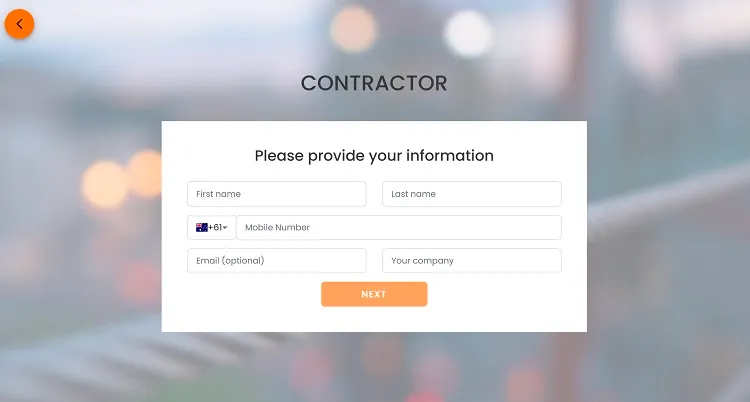
That fits closely with how Induct For Work presents induction across its platform, with support for online training, onboarding, quizzes, compliance records and contractor as well as employee workflows.
What happens during induction?
A workplace induction may include several steps depending on the role and the business.
Common parts of induction include:
- a welcome to the organisation
- an overview of policies
- role expectations
- safety information
- location-specific rules
- access to training modules
- confirmation of understanding
- record keeping
Some inductions happen in person. Others happen online. Many businesses now combine both.
What is the purpose of induction?
The purpose of induction is to help people start properly.
A good induction should help a person:
- understand the organisation
- understand the role
- understand what is required
- complete important training
- avoid simple mistakes
- work more safely
- settle in with more confidence
For the employer, induction also creates more consistency and makes it easier to show that the right information was provided.
Induction for employees contractors and volunteers
Induction is not only for permanent employees.
Many organisations also need to induct:
- contractors
- subcontractors
- temporary staff
- labour hire workers
- volunteers
- visitors in controlled environments
This is one of the reasons online induction systems are so useful. Businesses can deliver the right information to different user groups without rebuilding the process every time.
Induct For Work specifically positions its platform around employees, contractors and volunteers, along with role-based training and portal access.
Why businesses move induction online
Traditional induction can take time to organise and repeat.
Paper forms go missing. In-person sessions need scheduling. The same information gets repeated over and over again.
Online induction helps businesses:
- deliver training before arrival
- reduce admin time
- keep records in one place
- support multiple sites
- send invitations quickly
- collect confirmations and documents
- track completion more clearly
Induct For Work’s own site emphasizes these kinds of benefits, including online inductions before people arrive onsite, reporting, quizzes, document collection and role-based setup.
What makes a good induction process?
A good induction process should be clear, practical and easy to follow.
It should not overload the person with unnecessary detail on day one. Instead, it should give the right information in the right order.
A strong induction process should be:
- easy to access
- relevant to the person’s role
- clear about safety and expectations
- simple to track
- easy to update
- consistent across teams
How Induct For Work helps define induction in practice
It is one thing to define induction. It is another thing to deliver it well.
Induct For Work helps businesses turn induction into a structured online process. The platform supports online induction, onboarding, quizzes, portals, document collection, compliance workflows and reporting, which makes it easier to manage induction at scale.
With Induct For Work, businesses can:
- create induction content online
- assign it by role or site
- invite users by email
- track completion
- collect compliance documents
- keep records ready for review
That gives organisations a more reliable way to induct employees, contractors and volunteers without depending on scattered paperwork.
Why Induct For Work gives businesses a stronger induction system
A simple explanation of induction is useful. A working induction system is better.
Induct For Work gives businesses one place to:
- build inductions
- send invites
- monitor progress
- manage compliance
- keep induction records organised
- support onboarding before day one
That is especially valuable for organisations that need a repeatable process across multiple locations or different types of users.
Last words
To define induction, you can say it is the structured process of introducing a person to a workplace, a role and the rules they need to follow.
A strong induction process improves clarity, supports safety and helps people begin with confidence.
If your business wants more than a basic induction process, Induct For Work gives you a stronger way to deliver it. Instead of relying on paperwork, repeated explanations and scattered records, you can use one professional system to induct employees, contractors and volunteers with greater speed, better consistency and clearer compliance control. If you want your organisation to save time, reduce admin pressure and present a more professional start to every new person entering your workplace, Induct For Work is built to help you do exactly that.
Frequently asked questions
It means explaining induction as the process of introducing a person to a workplace, a role and the rules they need to understand.
Induction is important because it helps people understand expectations, safety procedures and workplace requirements before they begin.
Employees, contractors, subcontractors, volunteers and other workplace participants may all need induction depending on the organisation.
Yes. Many businesses now use online induction systems to deliver training, track completion and keep records organised.
Induct For Work helps businesses create online inductions, send invites, track progress, collect documents and manage compliance in one system.
Start a free trial or book a demo to see how INDUCT FOR WORK can support your workplace processes.
Author: Matt Tsashkuniats
Published: 12/03/2026
Updated: 15/06/2026