Multi-Site Sign ins
Managing visitors at one workplace can be straightforward. Managing visitors across multiple sites is much harder.
One site may use a paper book, spreadsheet or a digital sign in. A depot may rely on a supervisor. A warehouse may handle visitors through a gatehouse. Schools, council facilities, offices, event spaces or aged care sites may each have different entry rules.
When every location manages visitors differently, the organisation loses consistency.
That becomes a problem when managers need to know who is onsite, who is responsible for each visitor, whether the visitor received the right instructions and whether they signed out before leaving.
A multi-site visitor management process helps solve this problem. It gives each location a clear way to record visitors while allowing the organisation to maintain better visibility across all sites.
Induct For Work’s visitor management tools help organisations manage sign-in, sign-out, visitor instructions, host details and records across one or many locations.
Why multi-site visitor management is important
A visitor record is more than a name in a book.
It can help answer important questions:
- Who is onsite right now?
- Which site are they visiting?
- Who is their host?
- When did they arrive?
- Have they signed out?
- Did they receive site instructions?
- Are they a visitor, contractor or worker?
- Were they onsite during an incident?
- Which location has the highest visitor activity?
- Are some sites failing to capture complete records?
For a single site, these questions may be easy to answer. For a multi-site workplace, they become more difficult unless the process is consistent.
A paper visitor book at each location may not give head office, safety teams or operations managers the visibility they need. It may also create delays during emergencies, audits, investigations or after-hours reviews.
What counts as a multi-site workplace?
A multi-site workplace is any organisation that manages more than one location, access point or operating area.
This may include:
- offices
- depots
- warehouses
- factories
- schools
- campuses
- council facilities
- construction sites
- aged care facilities
- health care locations
- event venues
- retail stores
- shopping centres
- farms
- transport yards
- maintenance sites
- regional branches
- temporary project sites
Some organisations have permanent sites. Others operate temporary, seasonal or project-based locations. Both can benefit from a consistent visitor management process.
The goal is not to make every site identical. Instead, the goal is to create a common system that still allows each site to include its own rules, hosts, instructions and requirements.
The problem with separate visitor books
Separate visitor books may appear simple, but they create weaknesses.
Common problems include:
- records stay at each site
- handwriting is hard to read
- sign-out is often missed
- visitor purpose is unclear
- hosts are not always recorded
- emergency lists may be incomplete
- head office has no real-time visibility
- privacy is harder to manage
- records are difficult to search
- reporting across sites is manual
- sites use different processes
- repeat visitors must enter the same details again
- contractors may be mixed with visitors
A paper book may tell one site who arrived that day. It does not easily show patterns across the organisation.
For example, a facilities manager may want to know which sites receive the most maintenance visits. A safety manager may want to see whether visitors are signing out. A school business manager may need clearer records of non-staff attendance. A warehouse manager may want to separate delivery drivers from contractors.
A digital process makes this easier.
What a multi-site visitor management system should do
A strong visitor management system should do more than replace the paper book.
It should help each site capture useful information while giving administrators a consistent view.
Useful features include:
- visitor sign-in
- visitor sign-out
- host selection
- site selection
- time and date records
- visitor category
- basic induction instructions
- emergency instructions
- visitor badge details
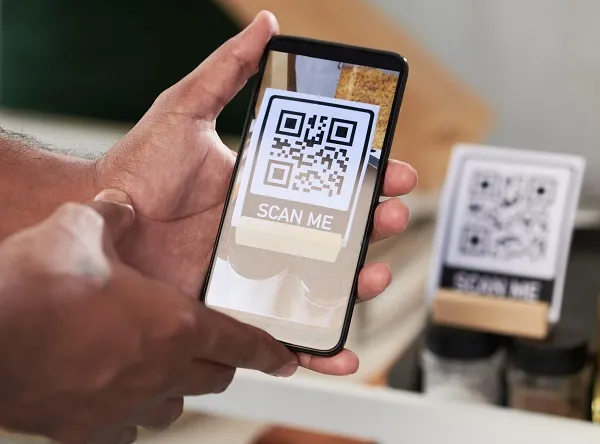
- QR code sign-in
- kiosk or tablet sign-in
- mobile-friendly access
- contractor pathway separation
- reports by site
- visitor history
- admin access controls
- privacy-aware record keeping
The system should also be easy for visitors to use. A complicated sign-in process can create queues, frustration and incomplete records.
Site-specific visitor instructions
Different sites have different rules.
A head office visitor may only need reception instructions. A warehouse visitor may need traffic and pedestrian safety information. A school visitor may need safeguarding and restricted area rules. A factory visitor may need PPE and emergency instructions. A council depot visitor may need vehicle movement information.
A good multi-site visitor management system should allow site-specific instructions.
Examples include:
- where to park
- which entrance to use
- whether PPE is required
- who to report to
- which areas are restricted
- whether photography is allowed
- emergency assembly point
- sign-out requirement
- hygiene or infection control rules
- vehicle movement warnings
- smoking or vaping rules
- visitor badge requirement
- confidentiality acknowledgement
This allows every site to share relevant information without forcing all visitors through the same generic message.

Who this page is for
This page is for organisations that manage visitors across more than one location and want a clearer way to record, control and review visitor activity.
It is especially useful for:
- multi-site businesses
- local councils
- schools and education providers
- warehouses and logistics operators
- manufacturers
- aged care providers
- health care organisations
- shopping centres
- event venues
- construction companies
- facilities management teams
- transport operators
- charities and non-profits
- regional offices
- organisations using contractors and visitors together
The common challenge is visibility. Each site may know what is happening locally, but the organisation needs a more consistent record across all locations.
Separating visitors from contractors
Multi-site workplaces often struggle to separate visitors from contractors.
A visitor may attend a meeting. A contractor may perform work. A delivery driver may only drop off goods at one site but enter a restricted area at another. If everyone uses the same sign-in book, the organisation may not capture the right level of information.
A better process separates user types.
Visitors may need:
- sign-in
- host details
- basic site instructions
- visitor badge
- sign-out
Contractors may need:
- induction
- document collection
- licences or insurance
- risk documents
- site-specific training
- approval before work
- refresher training
For more detail, see Contractor vs Visitor. This distinction is important because the wrong pathway can create either too much friction or too little control.
Emergency visibility across sites
Visitor records become especially important during emergencies.
If a fire alarm, evacuation, lockdown, medical incident, security issue or severe weather event occurs, site teams need to know who may be onsite. Where visitor sign-out is not reliable, emergency checks become harder.
A multi-site visitor management process can help by recording:
- visitor name
- host
- site
- arrival time
- sign-out time
- visitor status
- purpose of visit
- contact details where required
For head office or senior safety teams, digital records can also help review what happened after the event.
For more detail, support this page with visitor records during emergencies and visitor sign-out.
Visitor management for offices
Office visitors may include clients, suppliers, interview candidates, auditors, consultants, board members or service providers.
A multi-site office visitor process should cover:
- reception sign-in
- host notification
- visitor badge
- meeting location
- confidentiality or privacy acknowledgement
- emergency instructions
- sign-out
For offices without staffed reception, QR code or kiosk sign-in can help maintain a record without relying on a person at the desk.
Visitor management for schools and education
Schools, colleges and training providers need a clear record of non-staff visitors.
Visitors may include parents, guardians, maintenance contractors, volunteers, agency staff, service providers, council staff, external trainers or inspectors.
A school visitor process may include:
- identity confirmation
- reason for visit
- host or staff contact
- restricted area instructions
- safeguarding expectations
- emergency procedures
- visitor badge
- sign-out
Some visitors may only need reception sign-in. Others may require more detailed induction or contractor checks.
Visitor management for warehouses and depots
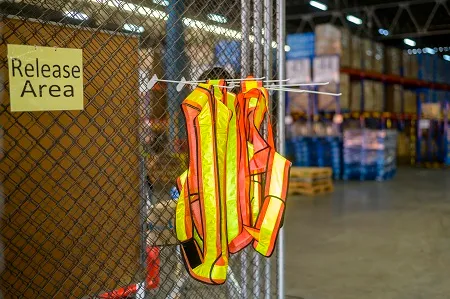
Warehouses, depots and transport yards often have higher movement risks than standard offices.
Visitors may encounter forklifts, loading bays, reversing vehicles, pedestrian exclusion zones, delivery areas, heavy goods, noise or operational equipment.
Visitor instructions may need to cover:
- safe pedestrian routes
- loading bay rules
- high-visibility clothing
- restricted areas
- vehicle movement
- supervision requirements
- emergency assembly points
- reporting hazards or incidents
A digital visitor system helps keep these instructions consistent across different depots.
Visitor management for councils and public facilities
Councils and public-facing organisations may manage many types of visitors across many locations.
Facilities may include offices, depots, libraries, community centres, waste facilities, maintenance sites, aquatic centres, parks offices and works yards.
Each location may have different access rules, risks and opening hours. A central visitor management process can help the organisation keep records consistent while allowing local site rules.
This is especially useful when visitors, contractors, volunteers and staff move between locations.
Reporting and review across locations
One of the strongest benefits of digital visitor management is reporting.
Administrators may want to review:
- visitor volume by site
- missed sign-outs
- frequent visitors
- contractor attendance
- host activity
- emergency records
- visitor categories
- site compliance with sign-in procedures
These insights are difficult to produce from paper books.
With reporting and record keeping, organisations can better understand visitor activity and identify where processes need improvement.
Privacy and visitor records
Visitor management involves personal information, so records should be handled carefully.
A good process should collect only the information needed for the visit, safety, security and operational purpose. It should also avoid exposing visitor details to other visitors, which can happen with open paper books at reception.
Digital visitor management can help reduce this issue because each visitor enters their own information without viewing previous entries.
Organisations should also think about:
- who can access visitor records
- how long records are kept
- what information is collected
- how visitors are informed
- whether sensitive sites need stricter controls
- how records are exported or deleted
The visitor process should be practical and respectful.
How Induct For Work helps
Induct For Work helps multi-site organisations manage visitor sign-in, sign-out and visitor records across locations.
Your organisation can use the platform to:
- create a consistent visitor sign-in process
- manage different locations
- record host details
- provide site-specific instructions
- support QR code or kiosk sign-in
- track visitor sign-out
- keep visitor records organised
- separate visitors from contractors
- review reports
- support emergency visibility
- connect visitor records with broader induction workflows
For organisations already using online inductions, visitor management can become part of the same wider safety and compliance system.
Build a more consistent visitor process
Multi-site workplaces need more than separate visitor books.
They need a process that works locally and gives the wider organisation better visibility. Visitors should be able to sign in easily, receive the right instructions, identify their host and sign out when they leave. Managers should be able to review records without chasing paper books from each location.
Induct For Work helps organisations create a more consistent visitor management process across offices, depots, schools, warehouses, facilities, venues and project sites.
When every location follows a clearer process, visitor records become easier to manage, emergencies become easier to review and workplace access becomes more controlled.
Frequently asked questions
Multi-site visitor management is the process of recording and managing visitors across more than one workplace, site, office, depot, facility or location.
It is harder because each site may use different sign-in processes, visitor rules, hosts, access points and record-keeping methods.
Yes. Induct For Work visitor management system allows site-specific inductions for different locations and visitor types.
Yes. Visitor sign-out helps the organisation know who is still onsite and supports emergency checks.
Visitor management helps by showing who has signed in, who they are visiting and whether they have signed out.
Contractors may sign in through the same entry point, but they often need a separate contractor pathway with induction, documents and approval steps.
Yes. Induct For Work can help organisations manage visitor sign-in, sign-out, site instructions, visitor records and reporting across multiple locations.