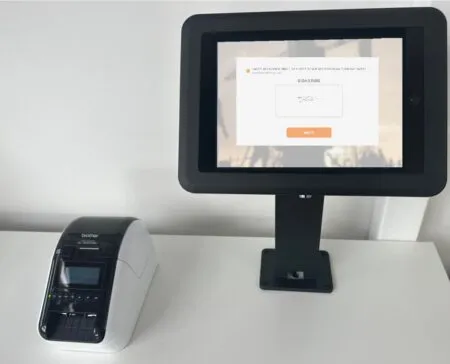
Induction is the process of preparing a person to enter a workplace, site, role or system by explaining the rules, expectations, procedures and safety requirements before they begin. In simple terms, induction helps people understand what they need to know from the start so they can work safely, correctly and with confidence.
For businesses, induction is commonly used for employees, contractors, visitors and suppliers. It can cover workplace rules, emergency procedures, reporting lines, site access, role responsibilities and required acknowledgements. A strong induction process reduces confusion, supports compliance and helps people become productive faster.
Key takeaways
Induction means introducing someone to a workplace, site or role before they begin
A good induction improves safety, consistency and compliance
Induction can apply to employees, contractors, visitors and suppliers
Online induction makes training easier to deliver and easier to track
Role-based induction helps businesses give each person the right information
Digital records make induction easier to manage across multiple sites
Contents
What induction means
Why induction matters in the workplace
What is included in an induction
Different types of induction
What makes a good induction process
Why online induction is growing
How INDUCT FOR WORK helps
Common use cases
Frequently asked questions
1) What induction means
Induction is a structured introduction to a workplace, site, job or process. It gives a person the information they need before they begin.
A workplace induction usually helps someone understand:
where they are working
what rules apply
what risks may be present
who they report to
what is expected of them
what they must complete before starting
In practical terms, induction is the first step in setting standards. It gives people a proper starting point instead of expecting them to work things out as they go.
2) Why induction matters in the workplace
Induction is important because it helps businesses create a safer, more consistent and more organised start for every worker or visitor.
Safety
People cannot work safely if they do not know the hazards, emergency procedures or reporting process. Induction helps explain the risks and controls from the beginning.
Compliance
Many businesses need proof that workers and contractors were given certain information before starting work. A structured induction creates a record that this happened.
Consistency
When induction is delivered properly, each person receives the same core information. This reduces gaps and improves standards across sites and teams.
Productivity
People who understand the workplace and their responsibilities can begin faster and ask fewer avoidable questions.
Accountability
When expectations are made clear at the beginning, it becomes easier to manage performance and site rules later.
3) What is included in an induction
The content of an induction depends on the workplace, industry and role, but most businesses include a similar core set of topics.
A standard induction may include:
company or site overview
workplace rules
health and safety requirements
emergency procedures
site access instructions
role responsibilities
supervision and escalation points
policies and procedures
acknowledgements or sign-off
Some businesses also include:
video training
document uploads
site-specific instructions
role-based training modules
The best induction content is practical, clear and relevant to the person completing it.
4) Different types of induction
Induction is not only for new employees. It can apply to several groups depending on how the business operates.
Employee induction
This is used for new staff members joining a company. It often covers workplace procedures, company expectations, reporting lines and general onboarding information.
Contractor induction
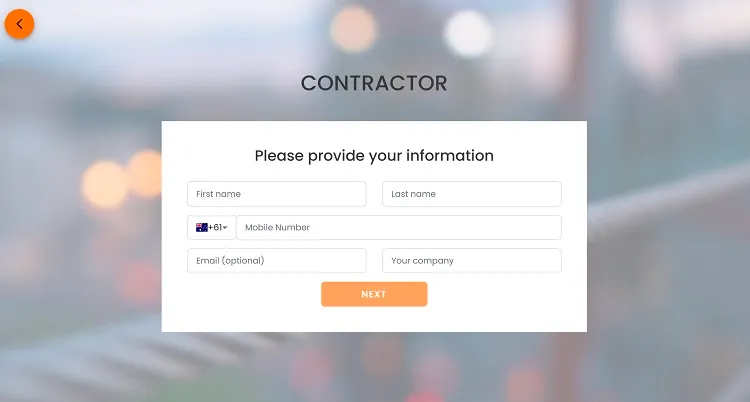
This is used for subcontractors, labour hire workers and service providers. It usually focuses on site rules, hazards, access requirements, documents and safety instructions.
Site induction
This is common in construction, warehousing, manufacturing, logistics, mining and other operational industries. It prepares someone for the specific site they are entering.
Visitor induction
This is used for short-term visitors. It often includes sign-in steps, emergency procedures, access restrictions and basic safety instructions.
Online induction
This is a digital version of the induction process. It allows users to complete training before they arrive and helps businesses keep better records.
5) What makes a good induction process
A good induction process should be easy to understand and easy to complete.
Clear
The wording should be plain and direct. Avoid unnecessary jargon.
Relevant
The content should match the person’s role, site or level of access.
Consistent
The same core standards should be delivered each time.
Trackable
Businesses should be able to see who completed induction, when it was completed and what content was included.
Accessible
The process should work well for different users, devices and locations.
Practical
A useful induction focuses on what people actually need to know before they begin.
6) Why online induction is growing
Many businesses are moving away from paper forms and manual induction processes because they are harder to manage and harder to track.
Online induction makes it easier to:
deliver training before arrival
keep induction records in one place
assign inductions by role or site
update content quickly
collect documents and acknowledgements
automate reminders and refreshers
manage multiple sites more efficiently
For businesses with contractors, visitors, remote workers or multiple worksites, online induction is often a more practical and scalable option.
7) How INDUCT FOR WORK helps
INDUCT FOR WORK helps businesses manage induction online in a way that is simple, trackable and easier to scale.
With INDUCT FOR WORK, businesses can:
deliver induction training online
induct employees, contractors and visitors
collect forms, documents and signatures
assign role-based or site-based content
use quizzes to confirm understanding
keep clear completion records
manage induction across multiple sites
reduce admin time for supervisors and office staff
This gives businesses more control over onboarding while improving consistency and record keeping.
8) Common use cases
A strong induction process is useful in many industries and workplace settings.
Offices
New employees and visitors can be introduced to workplace rules, emergency procedures and reporting lines.
Construction sites
Contractors and workers can complete site-specific induction before arriving.
Warehouses and depots
Staff, drivers and visitors can be briefed on traffic movement, access rules and safety requirements.
Manufacturing sites
Workers can be inducted on plant rules, hazards, PPE requirements and operating expectations.
Schools, councils and public facilities
Visitors, contractors and support staff can be given a clear process before entering the site.
Events and venues
Temporary workers, suppliers and contractors can complete induction before setup or entry.
9) Frequently asked questions
In the workplace, induction means introducing a worker, contractor or visitor to the workplace, site or role so they understand the rules, procedures, responsibilities and safety requirements before they begin.
Induction is important because it improves safety, supports compliance, reduces confusion, creates consistency and helps people start work with a clear understanding of what is expected.
An induction may include company information, workplace rules, health and safety requirements, emergency procedures, reporting processes, role responsibilities, site access instructions and acknowledgements.
An online induction is a digital induction process that allows workers, contractors or visitors to complete training, submit documents and provide acknowledgements before arriving at a workplace or site.
Induction training is commonly used for new employees, contractors, subcontractors, labour hire workers, suppliers and visitors who need to understand workplace rules and requirements before starting.
Online induction software helps businesses deliver induction training faster, collect documents in one place, track completion records, assign role-based content, reduce admin work and improve consistency across one or multiple sites.
Improve your induction process with INDUCT FOR WORK
If your business needs a better way to onboard employees, contractors or visitors, INDUCT FOR WORK can help.
Use INDUCT FOR WORK to:
deliver induction training online
collect documents and acknowledgements
assign different inductions by role or site
track completion and training records
reduce admin workload
improve consistency across your business
Start a free trial or book a demo to see how online induction software can simplify your induction process.