Online Inductions for Schools, Contractors, Staff and Visitors
Schools are busy, highly organised environments.
A single school may have teachers, administration staff, cleaners, maintenance contractors, IT providers, canteen workers, sports coaches, volunteers, parents, delivery drivers, building trades and visitors entering the site at different times.
Each group needs different information.
That is why online inductions for schools are so useful.
A school induction should explain site rules, emergency procedures, restricted areas, sign-in requirements, reporting steps and role-specific instructions before a person begins work or moves through the campus.
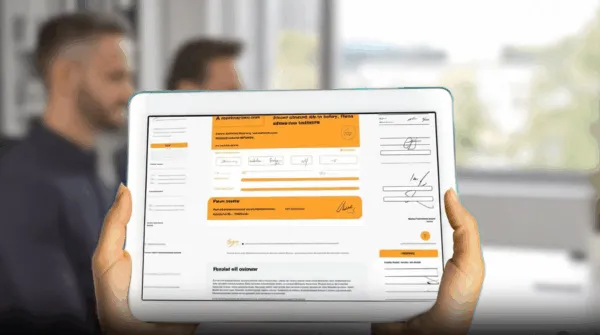
INDUCT FOR WORK helps schools deliver online induction, collect forms, capture acknowledgements, manage contractor documents, support incident reporting, issue certificates and keep records in one platform.
A structured induction process also supports a stronger safety culture because people receive clear instructions before they arrive. In addition, rapid induction setup can help schools turn existing site rules, PDFs, videos, visitor instructions and emergency procedures into online induction content sooner.
What are online inductions for schools?
Online inductions for schools are digital training and information pathways that prepare people before they attend or work at a school.
They may apply to:
- contractors
- subcontractors
- maintenance workers
- cleaners
- IT providers
- canteen staff
- sports coaches
- volunteers
- temporary staff
- new employees
- relief teachers
- visitors
- delivery drivers
- building trades
- consultants
- external service providers
The induction may explain:
- school entry rules
- sign-in and sign-out requirements
- emergency procedures
- restricted areas
- student-facing expectations
- contractor responsibilities
- working hours
- parking and delivery instructions
- PPE requirements where relevant
- incident and hazard reporting
- site contacts
- document upload requirements
- acknowledgement steps
The goal is simple. People should understand the school’s requirements before they enter the site or begin work.
Why online inductions for schools matter
Schools need clear entry and work processes because many people attend the site who do not work there every day.
Contractors may arrive during school hours. Volunteers may help with events. Coaches may attend after hours. Maintenance teams may work during holidays and delivery drivers may need access to specific areas.
A paper sign-in sheet or quick reception briefing does not always give enough information.
Online inductions for schools help education providers:
- prepare contractors before arrival
- reduce repeated manual briefings
- explain emergency procedures
- communicate restricted areas
- collect acknowledgements
- manage contractor documents
- support visitor and volunteer workflows
- track completion
- issue certificates where needed
- keep records in one place
- update people when procedures change
- support incident and hazard reporting
As a result, induction becomes part of everyday site readiness rather than a last-minute task at reception.
Schools that need clearer site access and induction records
This page is useful for:
- primary schools
- secondary schools
- independent schools
- government schools
- Catholic schools
- boarding schools
- special education settings
- early learning centres attached to schools
- training colleges
- school maintenance teams
- school business managers
- facilities teams
- operations managers
- principals and leadership teams
- contractors working in schools
It also helps organisations that manage multiple campuses or several school sites.
When contractors, visitors and staff move between locations, a consistent online induction process can reduce confusion and help each site keep better records.

Why school induction processes often become difficult
School induction processes often become difficult because people arrive for different reasons and at different times.
A plumber may attend for urgent repairs. Builders may work during holidays. Sports coaches may arrive outside normal office hours. Volunteers may help at an event and delivery drivers may need access to a storage area.
INDUCT FOR WORK helps schools create a more repeatable process.
It can help when:
- contractors arrive before receiving site rules
- visitors receive inconsistent instructions
- emergency procedures vary between campuses
- volunteer acknowledgements sit on paper
- contractor documents arrive by email
- staff induction records sit in different folders
- incident reports rely on verbal updates
- site access rules change during works
- reception staff repeat the same briefing many times
- managers cannot confirm who completed induction
- refresher training gets missed after procedure changes
With online induction and records, schools can send information earlier and track completion more clearly.
Online inductions for schools vs general workplace induction
Online inductions for schools and general workplace inductions are connected, but schools need their own approach.
A general workplace induction may explain company policies, emergency procedures and basic safety expectations.
A school induction should also reflect the education setting, student movement, visitor controls, term dates, site access rules and contractor restrictions.
| Online Inductions for Schools | General Workplace Induction |
|---|---|
| Focuses on school site access and education settings | Covers broad workplace rules |
| Supports contractors, staff, visitors and volunteers | Often focuses mainly on employees |
| Explains school-specific emergency procedures | Explains general emergency requirements |
| Can include student-facing expectations | May not include education-specific rules |
| Tracks school-specific completion records | Tracks general induction records |
For broader safety training, see our online safety induction article.
Contractor induction for schools
Contractors often need clear instructions before they enter school grounds.
A contractor induction can help schools explain:
- arrival and sign-in requirements
- school contact person
- work areas
- restricted areas
- student-facing rules
- emergency procedures
- working hours
- delivery routes
- parking instructions
- PPE requirements
- permits or approvals
- incident reporting
- document upload requirements
- completion acknowledgement
This matters because contractors may understand their trade, but they may not understand the school’s site layout, routines or access expectations.
A contractor should know where to report, which areas to avoid and who to contact before work begins.

Visitor and volunteer induction
Not every person needs a full contractor induction.
Visitors and volunteers often need a shorter, practical pathway that explains what they need for the visit or activity.
When connected with visitor management, a short induction can help schools explain:
- sign-in and sign-out rules
- host details
- emergency instructions
- restricted areas
- visitor badges
- supervision expectations
- photography rules where relevant
- reporting steps
- where visitors can and cannot go
Volunteer induction may include extra role information, event instructions or acknowledgement steps.
The pathway should stay relevant. A visitor should not receive the same long induction as a maintenance contractor, but still needs clear instructions before entering the site.
Staff and relief teacher induction
New staff and relief teachers also need school-specific information.
Their induction may include:
- emergency procedures
- staff contact points
- school layout
- student movement rules
- incident reporting steps
- first aid arrangements
- key policies
- visitor procedures
- communication channels
- role-specific expectations
Schools can use online induction to provide this information before the first day or first shift.
This reduces pressure on office staff and gives new starters a clearer introduction to the school.
School maintenance, construction and holiday works
Schools often complete maintenance, refurbishment or construction work during term breaks or after hours.
These periods may involve:
- builders
- electricians
- plumbers
- painters
- roof workers
- landscapers
- IT installers
- cleaners
- asbestos specialists where applicable
- delivery teams
- equipment installers
Work may take place near classrooms, playgrounds, car parks, admin buildings or public access points.
A school induction should explain:
- access points
- work zones
- exclusion areas
- student and staff separation
- emergency contacts
- delivery areas
- noise or dust rules
- waste disposal
- incident reporting
- end-of-day site security
For construction-related planning, see our commercial construction online induction article.
That supporting article helps schools think through contractor readiness, site rules and records during larger building works.
Emergency procedures and site rules
Emergency information should form a clear part of school induction.
Schools may need to explain:
- evacuation routes
- assembly points
- lockdown procedures where relevant
- first aid contacts
- fire alarm response
- severe weather instructions
- emergency communication process
- visitor responsibilities
- contractor responsibilities
- who to contact during an emergency
People who do not attend the school every day need simple instructions.
A contractor, visitor or relief staff member may not know where to go during an evacuation unless the school explains it before the emergency occurs.
Incident and hazard reporting in schools
Schools need a simple reporting process for hazards, incidents and near misses.
People should know how to report:
- slips and trips
- blocked exits
- damaged equipment
- contractor hazards
- unsafe work areas
- electrical concerns
- broken gates or locks
- playground concerns
- visitor incidents
- injuries
- near misses
- maintenance issues
- weather-related hazards
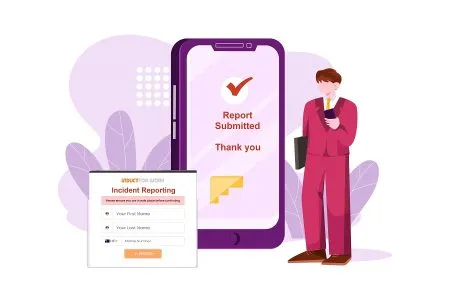
INDUCT FOR WORK supports incident reporting so schools can capture issues online.
This helps school managers review what happened, assign follow-up and keep better records.
For example, repeated reports about a slippery walkway may show that the school needs better drainage, cleaning routines or signage.
Forms, acknowledgements and school records
Online inductions for schools often need supporting forms and acknowledgements.
These may include:
- contractor declarations
- visitor acknowledgements
- volunteer acknowledgements
- emergency contact forms
- staff induction forms
- site rule acknowledgements
- PPE confirmations where relevant
- licence uploads
- insurance records
- working with children documentation where required
- incident reports
- policy acknowledgements
- completion certificates
With custom forms and digital signatures, schools can collect this information online.
This helps keep documents connected to the person, contractor company, school site or role.
Record keeping for online inductions for schools
School administrators may need to confirm:
- who completed induction
- when each person completed it
- which pathway they completed
- which contractors uploaded documents
- which visitors acknowledged site rules
- which volunteers completed required forms
- which staff completed induction
- which incidents people reported
- which certificates the system issued
- which users need follow-up
INDUCT FOR WORK helps improve record keeping by keeping training records, forms, certificates and acknowledgements online.
In addition, reporting helps school administrators review completion status and follow up where needed.
This gives schools better visibility than paper files, sign-in sheets, spreadsheets or email attachments.
Why use INDUCT FOR WORK for online inductions for schools?
School induction needs more than a one-size-fits-all form.
Different people need different instructions. Contractors, visitors, volunteers, staff and relief workers may all need separate pathways.
INDUCT FOR WORK helps schools:
- deliver induction online
- invite users before arrival
- assign different pathways by role
- collect forms online
- capture acknowledgements
- manage contractor documents
- support visitor workflows
- record incidents and hazards
- issue certificates
- track completion
- assign refresher training
- keep records in one platform
This does not replace school supervision, site management or legal advice. Instead, it supports the practical communication and record-management side of school access and induction.
From reception briefings to clearer school induction records
| Manual School Induction Process | INDUCT FOR WORK |
|---|---|
| Reception staff repeat instructions | Users can complete induction online |
| Contractors receive verbal site rules | Contractors can complete induction before arrival |
| Visitor information varies | Schools can create short visitor pathways |
| Volunteer forms sit on paper | Teams can collect forms online |
| Contractor documents arrive by email | Contractors can upload documents online |
| Acknowledgements become hard to find | The system can capture acknowledgements |
| Incident reports rely on verbal updates | People can submit reports online |
| Records sit in folders and spreadsheets | Schools can keep records in one platform |
| Procedure changes create confusion | Administrators can update induction content |
| Managers chase completion manually | Reports show who needs follow-up |
This gives schools a more dependable way to manage induction, access and records.
Best practice tips for online inductions for schools
Create separate pathways
Contractors, visitors, volunteers and staff should not all receive the same induction.
Keep content practical
Use short sections, clear wording, site maps and real school instructions.
Send induction before arrival
Where possible, contractors and volunteers should complete induction before attending.
Include emergency procedures
Every pathway should explain what to do during an emergency.
Collect required documents
Contractors may need to upload licences, insurance details or other required documents.
Make reporting simple
People should know how to report hazards, incidents and near misses.
Review content after changes
Update induction when site access, emergency plans, building works or school procedures change.
Keep records together
Training, forms, certificates, acknowledgements and reports should stay easy to find.
Start improving school induction and site readiness
Schools need clear site access processes, practical induction pathways and reliable records.
INDUCT FOR WORK helps schools deliver online induction, collect forms, capture acknowledgements, manage contractor documents, support visitor workflows, record incidents, issue certificates and review completion reports.
Whether your school manages contractors, volunteers, visitors, new staff, relief teachers, maintenance works or multiple campuses, INDUCT FOR WORK can help make induction easier to deliver and easier to track.
Give contractors, staff, visitors and volunteers a clearer way to understand school site requirements before they arrive.
Frequently asked questions
Online inductions for schools are digital training pathways that prepare contractors, staff, visitors, volunteers and other users before they enter or work at a school.
Contractors, maintenance workers, cleaners, IT providers, volunteers, visitors, relief teachers, new staff and external service providers may need induction depending on their role.
Yes. Schools can create shorter visitor pathways covering sign-in, host details, emergency instructions, restricted areas and acknowledgements.
It should include site access, sign-in rules, emergency procedures, restricted areas, working hours, contractor responsibilities, document requirements and incident reporting.
Yes. INDUCT FOR WORK helps schools collect contractor documents, forms, acknowledgements, certificates and completion records online.
Yes. INDUCT FOR WORK can help schools capture hazards, incidents and near misses online.
School administrators should review induction content when site access, emergency procedures, contractor requirements, building works or school rules change.
Start a free trial or book a demo to see how INDUCT FOR WORK can support your workplace processes.
Author: Matt Tsashkuniats
Published: 04/03/2024
Last updated: 11/05/2026