City Council Online Inductions for Local Government Workers, Contractors and Visitors
City councils manage a wide range of people, sites, services and public responsibilities.
A single council may coordinate office staff, depot workers, parks teams, road crews, library workers, community facility staff, waste contractors, maintenance providers, volunteers, consultants, event workers and visitors across multiple locations.
That makes induction difficult when every group needs different information.
City council online inductions give councils a clearer way to deliver training, collect acknowledgements, manage forms and keep records before people begin work or enter a council-controlled site.
INDUCT FOR WORK helps councils deliver online induction, assign training by role or location, collect contractor documents, support visitor workflows, manage incident reporting and keep records in one platform.
For the broader council induction strategy, see our main page on city council inductions. This page supports that topic by focusing specifically on the online delivery, tracking and record-management side of council induction.
A structured online induction process also supports a stronger safety culture because staff, contractors and visitors receive clear instructions before they begin. In addition, rapid induction setup can help councils turn existing policies, site rules, videos, PDFs and checklists into online induction content sooner.
What are city council online inductions?
City council online inductions are digital training pathways used to prepare people before they start work, attend a council site or perform duties for a local government organisation.
They may apply to:
- council employees
- new starters
- contractors
- subcontractors
- maintenance crews
- waste contractors
- road workers
- parks and gardens teams
- depot workers
- volunteers
- committee members
- community facility users
- event workers
- consultants
- visitors
- delivery drivers
- temporary workers
- labour hire workers
The induction may explain:
- council site rules
- role expectations
- emergency procedures
- incident reporting
- hazard reporting
- PPE requirements
- privacy and record-handling expectations
- contractor document requirements
- visitor access rules
- depot or facility instructions
- vehicle and plant movement rules
- acknowledgement steps
- completion requirements
The goal is simple. People should receive the right information before they begin work or enter a council work environment.
Why city council online inductions matter
Council work is varied.
One person may work in an office. Another may maintain parks. A contractor may enter a depot. A volunteer may attend a community event. A road crew may work near traffic and a waste contractor may operate around plant, vehicles and public access areas.
Because of this, councils need induction pathways that suit different roles and locations.
City council online inductions help local government teams:
- prepare people before arrival
- reduce repeated manual briefings
- assign induction by role or site
- collect acknowledgements
- manage contractor records
- track completion
- issue certificates where needed
- explain reporting processes
- support visitor workflows
- update people after procedure changes
- keep records in one place
- reduce reliance on paper forms and email trails
INDUCT FOR WORK is already positioned for local and state government use, with the council page highlighting site inductions, visitor management, incident reporting, e-forms and checklists for government workplaces.
Who this is for
Local government teams that need clear induction records
This page is useful for:
- city councils
- shire councils
- regional councils
- local government authorities
- council depots
- parks and recreation teams
- waste and transfer station teams
- road maintenance teams
- community facility managers
- libraries
- aquatic and leisure facilities
- event teams
- council safety teams
- contractor coordinators
- HR teams
- procurement teams
- facilities managers
- volunteer coordinators
It also suits councils managing several sites, several worker groups or contractors who need different induction pathways.
When people work across multiple council sites, online induction can reduce confusion and give administrators better visibility.
Why council induction processes often become difficult
Council induction processes become difficult when information sits across paper forms, PDFs, emails, shared folders and verbal briefings.
A contractor may receive a document by email. A new worker may attend an in-person briefing. A volunteer may sign a paper form. A depot visitor may receive short verbal instructions at arrival. Later, managers may struggle to confirm who received which information and when.
INDUCT FOR WORK helps councils create a more repeatable process.
It can help when:
- contractors arrive before completing induction
- staff receive different instructions from different supervisors
- volunteer records sit on paper
- visitor information varies between locations
- depot safety rules rely on verbal briefings
- contractor documents arrive by email
- incident reporting steps remain unclear
- training records sit across spreadsheets and folders
- procedure changes do not reach every user
- managers cannot confirm who completed training
- refresher training gets missed after policy or site changes
With online induction and records, councils can send instructions earlier and track completion more clearly.
City council online inductions vs general workplace induction
Council induction needs its own structure because council work covers many different environments.
A general workplace induction may explain company rules, emergency procedures and basic reporting.
City council online inductions should reflect council operations, public-facing work, contractor use, community facilities, depots, field crews, roads, parks, waste sites and visitor access.
| City Council Online Inductions | General Workplace Induction |
|---|---|
| Focuses on local government work environments | Covers broad workplace rules |
| Supports staff, contractors, volunteers and visitors | Often focuses mainly on employees |
| Can assign pathways by site or role | Often uses one general pathway |
| Supports public-facing operations | May not cover public access risks |
| Keeps council-specific completion records | Keeps general induction records |
For broader safety training, see our online safety induction article.

Contractor induction for councils
Councils rely heavily on contractors.
Contractors may work across:
- road maintenance
- parks and gardens
- building maintenance
- waste services
- cleaning
- security
- IT services
- civil works
- plumbing
- electrical work
- tree works
- event setup
- facility repairs
- plant servicing
- community infrastructure projects
A contractor induction can explain council requirements before contractors arrive.
Contractor induction may include:
- sign-in rules
- site contacts
- restricted areas
- emergency procedures
- PPE requirements
- incident reporting
- public safety expectations
- plant and vehicle rules
- document upload requirements
- licences and insurance requirements
- SWMS-related acknowledgements where relevant
- completion confirmation
Contractors may know their trade, but they still need to understand council site rules, public interfaces and reporting expectations.
Staff induction for local government teams
Council staff need induction that matches their role and work location.
Staff induction may include:
- council values and expectations
- workplace safety rules
- emergency procedures
- reporting steps
- privacy and records expectations
- public interaction expectations
- role-specific training
- site access rules
- fleet or plant rules
- depot procedures
- PPE requirements
- policy acknowledgements
A library worker, depot worker, parks officer and office administrator may not need the same content.
Online induction allows councils to create different pathways instead of forcing every person through the same long course.
Volunteer and community program induction
Councils often work with volunteers and community groups.
These users may support:
- events
- community programs
- libraries
- local clean-up activities
- environmental projects
- youth programs
- senior citizen programs
- emergency support activities
- committees
- public-facing activities
Volunteer induction should remain short, practical and relevant.
It may explain:
- role expectations
- supervision arrangements
- emergency instructions
- incident reporting
- conduct expectations
- public interaction rules
- location details
- sign-in requirements
- acknowledgement steps
A volunteer pathway should not feel like a contractor course. However, it still needs enough structure to protect the person, the council and the public.
Visitor induction and council site access
Council sites often receive visitors, consultants, delivery drivers, suppliers and members of the public.
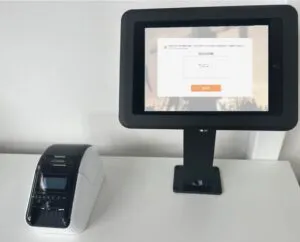
When connected with visitor management, a short online pathway can explain:
- sign-in and sign-out requirements
- host details
- emergency instructions
- restricted areas
- visitor badges
- parking rules
- depot or facility access limits
- public safety instructions
- incident reporting
- evacuation steps
Visitor induction works best when it matches the visit.
A contractor working in a depot may need a detailed pathway. A consultant attending a short meeting may need a much shorter set of instructions.
Council depots, field crews and operational sites
Council depots and field sites often carry higher risk than office environments.
They may involve:
- plant and equipment
- forklifts
- trucks
- trailers
- chemicals
- fuel storage
- workshops
- storage yards
- waste areas
- traffic movement
- manual handling
- outdoor work
- public access points
- contractors
Online induction can help explain depot and field rules before people arrive.
Training may include traffic routes, PPE expectations, plant movement, restricted areas, chemical storage rules, emergency assembly areas and reporting steps.
For broader hazard awareness, see our workplace hazards article.
Road crews, traffic control and public works
Council road crews and contractors may work near live traffic, pedestrians, cyclists, residents and businesses.
Induction may need to explain:
- traffic management responsibilities
- work zone rules
- public safety expectations
- communication steps
- PPE requirements
- incident reporting
- weather risks
- plant movement
- supervisor contacts
- site-specific instructions
For road-related worker awareness, see our road traffic controller safety training page.
That supporting article is useful because councils often manage or contract work around roads, traffic, public spaces and changing site conditions.
Parks, gardens and outdoor council work
Parks and outdoor teams may work across playgrounds, sports grounds, reserves, gardens, public buildings and shared public spaces.
Induction may need to cover:
- working around the public
- vehicle movement
- machinery use
- chemical handling
- manual handling
- weather exposure
- animal or insect risks
- tree work awareness
- public complaints
- incident reporting
- PPE requirements
- emergency contacts
Outdoor work changes with weather, seasons and site conditions.
Because of this, induction should not rely only on generic council policy. It should include practical examples from the work people actually perform.
Waste, transfer stations and council facilities
Many councils manage or oversee waste services, depots, public drop-off areas, recycling operations or waste contractors.
Waste-related induction may include:
- traffic movement
- plant and vehicle separation
- PPE requirements
- hazardous waste awareness
- public access controls
- fire and battery risks
- incident reporting
- environmental responsibilities
- emergency procedures
- contractor rules
For waste-site-specific guidance, see our waste management online induction article.
That supporting article helps councils with transfer stations, recycling centres, depots and public-facing waste areas.

Incident and hazard reporting for councils
Council workplaces need clear reporting pathways.
Workers, contractors, volunteers and visitors should know how to report:
- injuries
- near misses
- damaged equipment
- public safety concerns
- vehicle incidents
- plant hazards
- slips and trips
- broken signs
- blocked exits
- unsafe public areas
- chemical spills
- aggressive behaviour
- weather-related hazards
- contractor concerns
- maintenance issues
INDUCT FOR WORK supports incident reporting so councils can capture hazards, incidents and near misses online.
This helps managers review reports, assign follow-up and keep clearer records.
For example, repeated reports about a hazardous footpath area may show that maintenance, signage or public communication needs attention.
Forms, acknowledgements and council records
City council online inductions often need supporting forms and acknowledgements.
These may include:
- worker acknowledgements
- contractor declarations
- volunteer forms
- visitor acknowledgements
- emergency contact forms
- policy acknowledgements
- PPE confirmations
- licence uploads
- insurance records
- SWMS submissions where relevant
- incident reports
- training confirmations
- completion certificates
With custom forms and digital signatures, councils can collect information and acknowledgements online.
This helps keep documents connected to the worker, contractor, site, project or role.
Document collection and contractor readiness
Councils may need to collect and monitor contractor documents before work begins.
Depending on the work, this may include:
- licences
- insurance documents
- trade certificates
- safety documents
- SWMS
- plant information
- training evidence
- emergency contact details
- contractor declarations
- policy acknowledgements
A document process should not depend only on email.
INDUCT FOR WORK can help councils request documents, store them with user records and monitor requirements more clearly.
This gives administrators better visibility before contractors attend council sites.
Record keeping for city council online inductions
Council administrators may need to confirm:
- who completed induction
- when each person completed it
- which pathway they completed
- which contractors uploaded documents
- which volunteers signed acknowledgements
- which staff completed required training
- which visitors completed site instructions
- which incidents people reported
- which certificates the system issued
- which users need refresher training
- which records need follow-up
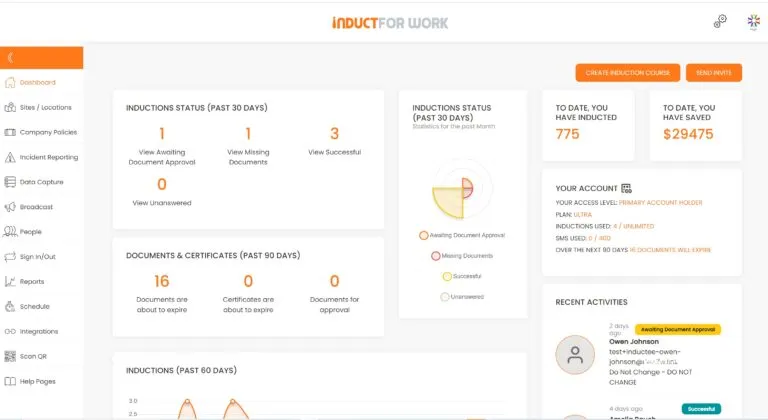
INDUCT FOR WORK helps improve record keeping by keeping training records, forms, certificates and acknowledgements online.
In addition, reporting helps administrators review completion status and follow up where needed.
This gives councils better visibility than paper folders, spreadsheets and email trails.
Features that support council induction workflows
Council induction often needs forms, document collection and fast communication.
Self-registration portals can help councils allow contractors, volunteers or workers to register themselves through the correct portal.
Message broadcast can help councils send updates when site access, emergency instructions, weather risks, event details or work requirements change.
These features support councils with multiple locations, changing sites, seasonal work and contractor-heavy operations.
Why use INDUCT FOR WORK for city council online inductions?
Council induction becomes harder when organisations rely on paper forms, repeated verbal briefings and scattered records.
INDUCT FOR WORK helps councils:
- deliver induction online
- assign pathways by role, site or project
- invite users before arrival
- collect forms and acknowledgements
- manage contractor documents
- support visitor workflows
- record incidents and hazards
- issue certificates
- track completion
- assign refresher training
- send updates
- keep records in one platform
This does not replace council governance training, legal advice, role-specific licensing or specialist competency requirements. Instead, it supports the practical communication, training and record-management side of staff, contractor, volunteer and visitor induction.
From council paperwork to clearer induction records
| Manual Council Induction Process | INDUCT FOR WORK |
|---|---|
| Staff receive repeated verbal briefings | Workers can complete induction online |
| Contractor documents arrive by email | Contractors can upload documents online |
| Volunteer forms sit on paper | Teams can collect forms online |
| Visitor instructions vary by location | Councils can create short visitor pathways |
| Depot rules rely on local memory | Training can explain site-specific requirements |
| Incident reports rely on verbal updates | People can submit reports online |
| Records sit in folders and spreadsheets | Teams can keep records in one platform |
| Procedure changes create confusion | Managers can send message broadcasts |
| New users need manual setup | Self-registration can support the process |
| Managers chase completion manually | Reports show who needs follow-up |
This gives local government teams a more dependable way to manage induction, communication and records.
Best practice tips for city council online inductions
Separate users by role
Staff, contractors, volunteers, visitors and delivery drivers should not all receive the same induction.
Use site-specific pathways
Depots, offices, libraries, waste facilities, worksites and community venues may need different instructions.
Send induction before arrival
Where possible, contractors and volunteers should complete induction before attending the site.
Include public-facing risks
Councils often work around residents, visitors, road users and public spaces.
Collect acknowledgements
Important rules, policies and site instructions should include a clear acknowledgement step.
Make reporting simple
People should know how to report hazards, incidents, near misses and public safety concerns.
Review after changes
Update induction when sites, procedures, policies, events or contractor requirements change.
Keep records together
Training, forms, certificates, acknowledgements and reports should stay easy to find.
Start improving city council online inductions
City councils need clear training pathways, practical site rules and reliable records across many locations, roles and public-facing services.
INDUCT FOR WORK helps councils deliver city council online inductions, collect forms, capture acknowledgements, manage contractor documents, support visitor workflows, record incidents, issue certificates and review completion reports.
Whether your council manages depots, parks, roads, waste facilities, libraries, community venues, contractors, volunteers or multiple worksites, INDUCT FOR WORK can help communicate requirements more clearly.
For the broader strategic overview, see our main page on city council inductions.
Give staff, contractors, volunteers and visitors a better way to understand council requirements before they arrive.
Frequently asked questions
City council online inductions are digital training pathways that prepare staff, contractors, volunteers, visitors and other users before they begin work or enter a council site.
Council staff, contractors, subcontractors, volunteers, consultants, delivery drivers, visitors and temporary workers may need induction depending on their role and access.
Yes. Councils can invite contractors to complete induction before arrival and collect documents or acknowledgements online.
Yes. Councils can create different pathways for staff, contractors, volunteers, visitors, depots, worksites, facilities and projects.
Yes. INDUCT FOR WORK can help councils capture hazards, incidents and near misses online.
Yes. Councils can collect contractor documents, forms, acknowledgements, certificates and training records online.
Managers should review induction content when sites, procedures, contractor requirements, public access rules, emergency plans or reporting processes change.
Start a free trial or book a demo to see how INDUCT FOR WORK can support your workplace processes.
Author: Matt Tsashkuniats
Published: 13/12/2023
Updated: 13/05/2026