
Online Induction for Truck Drivers Before They Arrive On Site
Truck drivers do not need more confusion at the gate.
They need clear instructions before they arrive, especially when they move between depots, warehouses, customer locations, construction sites, waste facilities, loading docks and contractor-controlled areas.
A driver may only attend a site for a short delivery or pickup. However, that short visit can still involve traffic rules, pedestrian zones, reversing areas, loading instructions, PPE requirements, emergency procedures and site contact details.
That is why online induction for truck drivers matters.
INDUCT FOR WORK helps businesses deliver online induction, collect acknowledgements, manage forms, send invitations, support incident reporting and keep records in one platform.
A structured driver induction process also supports a stronger safety culture because drivers receive consistent instructions before arrival. In addition, rapid induction setup can help transport teams turn existing site rules, delivery maps, PDFs, videos and driver instructions into online induction content sooner.
What is online induction for truckies?
Online induction for truckies is a digital training and information process that prepares truck drivers before they enter a site, depot or delivery location.
It may apply to:
- truck drivers
- delivery drivers
- subcontracted drivers
- owner-drivers
- freight contractors
- courier drivers
- linehaul drivers
- tipper drivers
- tanker drivers
- refrigerated transport drivers
- waste transport drivers
- plant transport drivers
- warehouse delivery drivers
- temporary transport workers
- logistics contractors
The induction may explain:
- site entry instructions
- loading and unloading rules
- traffic flow
- speed limits
- PPE expectations
- reversing rules
- pedestrian separation
- restricted areas
- emergency procedures
- contact details
- document upload requirements
- driver acknowledgements
- incident and hazard reporting
The purpose is simple. Drivers should understand the site requirements before they arrive and before the pressure of a live delivery begins.
Why truckies need induction before site access
Transport work relies on timing, movement and clear communication.
When drivers receive instructions too late, delays can build quickly. A driver may arrive at the wrong gate, park in the wrong area, miss a PPE requirement, use the wrong traffic route or wait while site staff repeat basic instructions.
Online induction for truckies helps businesses:
- prepare drivers before arrival
- reduce gate delays
- explain site access rules
- improve driver communication
- reduce repeated manual briefings
- manage contractor drivers
- collect acknowledgements
- support safer vehicle movement
- record completion
- issue certificates where needed
- keep driver records in one place
- update instructions when site rules change
As a result, transport onboarding becomes more organised and more professional.

Who this is for
Transport teams, depots and sites that need drivers ready before arrival
This page is useful for:
- transport companies
- logistics businesses
- freight operators
- warehouses
- depots
- distribution centres
- construction sites
- waste facilities
- manufacturing sites
- farms
- ports and yards
- shopping centres
- event sites
- commercial delivery locations
- contractor-controlled workplaces
- businesses using subcontracted drivers
- companies managing multiple delivery sites
It also helps managers responsible for site access, driver onboarding, contractor records, delivery instructions and transport safety communication.
Wherever truck drivers need clear instructions before they enter a location, online induction can reduce confusion.
Why driver induction processes often break down
Driver induction processes often break down because transport work happens quickly.
Drivers may work across multiple locations. Sites may use different access points. Loading areas may change. Staff may explain rules verbally. Contractor drivers may arrive without full context and delivery windows may leave little time for long briefings.
INDUCT FOR WORK helps businesses create a more repeatable driver induction process.
It can help when:
- drivers arrive before receiving site rules
- transport instructions vary between supervisors
- contractor drivers receive incomplete information
- delivery rules sit across emails and PDFs
- loading bay rules change but drivers miss the update
- PPE requirements cause delays at arrival
- incident reporting steps remain unclear
- driver records sit in spreadsheets
- site staff repeat the same instructions many times
- managers cannot confirm who completed induction
- refresher training gets missed after site changes
With online induction and records, businesses can send driver information earlier and track completion more clearly.
Online induction for truck drivers vs general workplace induction
Online induction for truck drivers and general workplace induction are connected, but truck drivers need a more practical and transport-focused approach.
A general workplace induction may explain broad site rules, emergency procedures and safety expectations.
A driver induction should focus on arrival, traffic flow, loading areas, vehicle movement, communication and site-specific delivery expectations.
| Online Induction for Truckies | General Workplace Induction |
|---|---|
| Focuses on drivers and delivery activity | Covers broad workplace expectations |
| Explains site entry and loading rules | Explains general safety procedures |
| Supports depots, warehouses and delivery sites | Often focuses on workers based at one site |
| Covers vehicle movement and pedestrian separation | Covers general worksite safety topics |
| Tracks driver-specific completion records | Tracks general induction completion |
For wider safety training, see our online safety induction article.
Driver site access before arrival
Driver access should not depend on rushed instructions at the gate.
A good induction may explain:
- entry gate
- delivery address
- contact person
- arrival time
- sign-in requirements
- parking area
- loading or unloading location
- speed limits
- one-way routes
- reversing rules
- weighbridge instructions
- pedestrian zones
- emergency assembly area
- restricted areas
- site phone numbers
When drivers receive this information in advance, they can arrive with fewer questions and fewer delays.
For transport businesses, that makes the whole operation look more organised from the first contact.
Loading and unloading rules
Loading and unloading areas can create serious risks.
Drivers may work near forklifts, loaders, cranes, pedestrians, other vehicles, loading docks, stock, pallets, straps, chains and moving equipment.
A truck driver induction should explain:
- where loading happens
- who gives permission to load or unload
- whether drivers must stay in the cab
- when drivers may leave the vehicle
- exclusion zones
- forklift and pedestrian rules
- load restraint expectations
- communication with loaders
- PPE requirements
- dock safety rules
- manual handling expectations
- what to do if the load looks unsafe
Clear loading rules reduce confusion between drivers, warehouse teams and site staff.
For broader physical task training, see our manual handling online induction article.
Traffic movement and pedestrian separation
Traffic movement sits at the centre of truck driver safety.
Sites should explain how vehicles and people move around the location.
Training may cover:
- speed limits
- marked routes
- reversing areas
- blind spots
- designated walkways
- pedestrian crossings
- radio or phone contact
- loading dock rules
- plant movement
- spotter requirements
- parking limits
- no-go zones
- customer-facing areas
Vehicle and pedestrian separation deserves special attention because many sites bring trucks, forklifts, contractors, workers and visitors into the same area.
A short driver induction can help explain how the site expects drivers to move safely through those areas.

PPE and site rules for truck drivers
Some drivers may need PPE before they leave the cab or enter operational areas.
PPE may include:
- high-visibility clothing
- safety boots
- hard hats
- safety glasses
- gloves
- hearing protection
- respiratory protection where relevant
A driver induction should explain:
- minimum site PPE
- task-specific PPE
- where PPE must be worn
- where drivers can and cannot walk
- who to contact if PPE is missing
- how to report damaged or unsuitable PPE
For more detail, see our PPE training article.
That supporting article helps businesses explain personal protective equipment requirements more clearly.
Contractor drivers and subcontracted transport
Many transport operations rely on subcontracted drivers, owner-drivers or third-party carriers.
These drivers may not know your site, your customer requirements or your reporting process.
A contractor induction can help businesses explain:
- site access rules
- delivery expectations
- loading requirements
- safety responsibilities
- PPE rules
- emergency procedures
- incident reporting
- document upload requirements
- driver acknowledgements
- contact points
Contractor drivers may be experienced on the road, but they still need site-specific instructions.
A structured online process gives every driver the same core information before arrival.
SMS invitations for drivers
Truck drivers are often mobile and may not check email during the day.
That makes SMS useful for driver induction.
INDUCT FOR WORK supports SMS invitations, which allow businesses to send induction invitations by text message. The SMS invitation feature helps businesses reach inductees quickly and gives users another way to access the induction process.
This can suit drivers who:
- spend most of the day on the road
- do not use a company email address
- prefer mobile access
- need fast access to induction links
- work across several delivery locations
- start at different times
SMS invitations can reduce friction because the driver can receive the link directly on a mobile phone.
Self-registration for regular driver access
Some transport environments need drivers to register themselves.
This can help when businesses manage repeat deliveries, contractor drivers or multiple sites.
INDUCT FOR WORK offers self-registration portals, allowing inductees to register themselves through a company portal instead of waiting for repeated manual invitations.
Self-registration may suit:
- depots with repeat drivers
- contractor-controlled yards
- delivery points with frequent driver turnover
- transport contractors who add workers often
- businesses that want fewer manual invitation steps
A self-registration process can reduce admin work while still keeping the induction structured.
Visitor management and mixed site access
Truck drivers often share arrival areas with contractors, visitors, couriers and staff.
When site-entry control matters, visitor management can support the broader access process.
This may help businesses manage:
- sign-in points
- visitor records
- contractor arrivals
- delivery driver access
- host notifications
- short-stay instructions
- site attendance records
Truck drivers may not need the same pathway as a visitor, but the arrival process should still make sense across all user groups.
Good access control reduces confusion at reception, security gates, weighbridges and loading docks.
Incident and hazard reporting for truckies
Drivers should know how to report hazards, incidents and near misses.
They may need to report:
- traffic near misses
- loading dock hazards
- damaged equipment
- blocked access
- forklift near misses
- unsafe loads
- spills
- slips and trips
- damaged signs
- aggressive behaviour
- vehicle damage
- pedestrian concerns
- PPE issues
- emergency situations
INDUCT FOR WORK supports incident reporting so businesses can capture reports online.
This helps managers review issues, assign follow-up and improve site instructions.
For example, repeated reports about a tight turning area may show that the site needs better signage, changed traffic flow or clearer delivery windows.
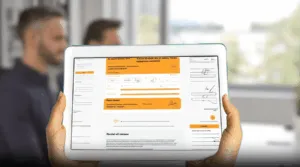
Forms, acknowledgements and driver records
Truck driver induction often needs supporting forms and acknowledgements.
These may include:
- site rule acknowledgements
- driver declarations
- emergency contact forms
- licence uploads
- insurance documents
- vehicle details
- contractor company details
- loading area acknowledgements
- PPE acknowledgements
- incident reports
- delivery site confirmations
- completion certificates
With custom forms and digital signatures, businesses can collect driver information and acknowledgements online.
This keeps records connected to the driver, contractor company, depot or delivery site.
Why use INDUCT FOR WORK for online induction for truck drivers?
Transport operations need clear communication, fast access and reliable records.
Drivers may not sit at desks. Contractor drivers may change often. Delivery sites may each have different rules. Loading areas may need specific instructions and staff may not have time to repeat the same briefing all day.
INDUCT FOR WORK helps businesses:
- deliver driver induction online
- invite drivers before arrival
- send SMS invitations
- support self-registration
- assign induction by depot or site
- collect forms online
- capture acknowledgements
- manage contractor driver records
- support visitor and site access workflows
- record incidents and hazards
- issue certificates
- track completion
- keep records in one platform
This does not replace driver supervision, traffic management or site safety controls. Instead, it helps businesses communicate the rules and keep better records.
From gate-side briefings to clearer driver induction records
| Manual Driver Induction Process | INDUCT FOR WORK |
|---|---|
| Staff repeat site rules at the gate | Drivers can complete induction online |
| Drivers receive instructions by phone | Businesses can send SMS invitations |
| Contractor records sit in emails | Contractors can upload documents online |
| Loading rules vary between supervisors | Training can explain one clear process |
| Driver acknowledgements sit on paper | The system can capture acknowledgements |
| Incident reports rely on verbal updates | Drivers can submit reports online |
| Records sit in spreadsheets | Teams can keep records in one platform |
| New drivers need manual invitations | Self-registration can support regular access |
| Site changes cause confusion | Administrators can update induction content |
| Managers chase completion manually | Reports show who needs follow-up |
This gives transport teams a more dependable way to manage driver readiness.
Best practice tips for online induction for truckies
Keep instructions practical
Drivers need clear arrival, loading, traffic and contact information.
Send induction before arrival
Where possible, drivers should complete induction before reaching the gate.
Use mobile-friendly access
Drivers often use phones, so induction should work well on mobile devices.
Include site maps
Maps can explain gates, routes, parking, loading docks and restricted areas quickly.
Create site-specific pathways
Depots, warehouses and customer sites may need different instructions.
Include contractor drivers
Subcontracted drivers should receive the same site rules as internal drivers where relevant.
Make reporting simple
Drivers should know how to report hazards, near misses and access problems.
Review after site changes
Update driver induction when traffic flow, loading areas, gates or site rules change.
Start improving truck driver induction and site access
Truck drivers keep businesses moving, but they need clear instructions before they reach busy depots, warehouses, customer locations and loading areas.
INDUCT FOR WORK helps businesses deliver online induction for truckies, send SMS invitations, support self-registration, collect forms, capture acknowledgements, manage contractor records, record incidents and review completion reports.
Whether your business manages depots, freight yards, construction deliveries, warehouses, waste facilities, farms or customer delivery sites, INDUCT FOR WORK can help prepare drivers before they arrive.
Give truck drivers a clearer way to understand site requirements before the delivery window begins.
Frequently asked questions
Online induction for truckies is a digital training process that helps drivers receive site instructions, safety expectations, loading rules and arrival details before they reach a depot, warehouse or delivery site.
Truck drivers need induction because depots, loading docks, customer sites and work areas often have specific traffic rules, PPE requirements, loading procedures and emergency instructions.
It should include site entry details, loading or unloading rules, speed limits, traffic flow, PPE requirements, pedestrian separation, emergency procedures and site contact details.
Yes. INDUCT FOR WORK supports SMS invitations, which can help businesses reach mobile workers and drivers more easily.
Yes. Businesses can use self-registration portals so drivers or other inductees can register themselves through a company portal.
Yes. INDUCT FOR WORK can help businesses capture driver hazards, near misses and incidents online.
Managers should review driver induction content when site access, traffic routes, loading areas, PPE rules, emergency procedures or contractor requirements change.
Start a free trial or book a demo to see how INDUCT FOR WORK can support your workplace processes.
Author: Ari Parz
Published: 01/03/2024
Last updated: 12/05/2026